
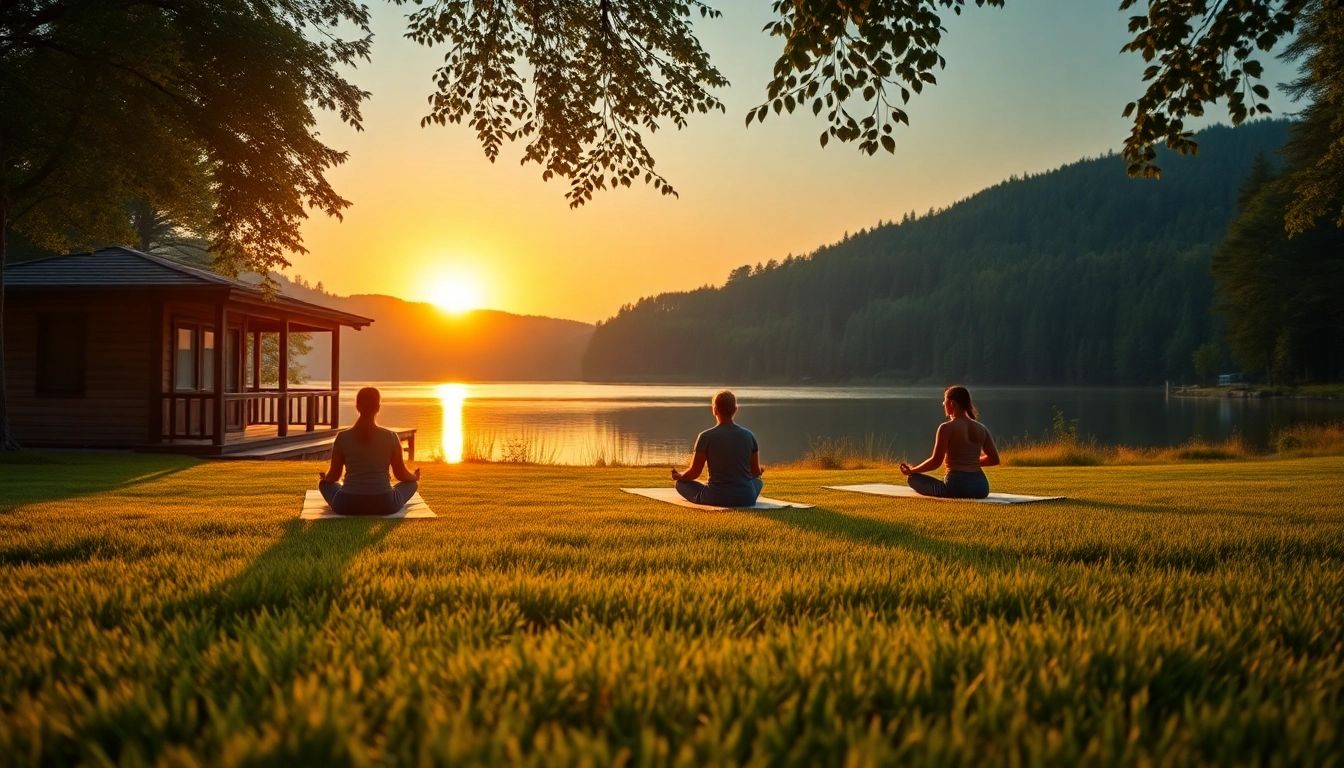
Understanding the Concept of a Wellness Retreat
Defining Wellness Retreat and Its Benefits
A wellness retreat is a focused getaway that emphasizes rejuvenation of the mind, body, and spirit. Often set in serene, picturesque environments, these retreats promote holistic approaches to personal well-being. Participants can retire from their daily routines, allowing for introspection, relaxation, and learning new wellness practices that can be incorporated into their everyday lives.
The benefits of attending a wellness retreat are manifold. From reducing stress and anxiety to improving physical health and enhancing emotional resilience, wellness retreats serve as transformative experiences. Participants commonly engage in mindfulness practices, learn about nutrition, and explore various physical activities like yoga or hiking. Many report lasting changes in their lives post-retreat, including greater clarity about their life goals and improved relationships with themselves and others.
Types of Wellness Retreats Available
Wellness retreats come in various forms, catering to the diverse needs and preferences of participants. Understanding the different types can help individuals choose the right environment for their personal growth.
- Yoga Retreats: Focusing on the mind-body connection through yoga practice, these retreats often incorporate meditation and relaxation techniques.
- Detox Retreats: These emphasize cleansing the body of toxins through specialized diets and programs, often including guided fasting or juicing.
- Spiritual Retreats: Intended for personal reflection and spiritual growth, these typically include workshops, meditation, and time for introspective activities.
- Fitness Retreats: These cater to individuals looking to enhance their physical health through rigorous workouts, nutrition education, and immersion in fitness culture.
- Nature Retreats: Designed around outdoor activities and the healing power of nature, these retreats often entail hiking, guided nature walks, and wellness workshops conducted outdoors.
How to Choose the Right Wellness Retreat for You
Selecting a wellness retreat tailored to your needs requires careful consideration. Start by defining your goals. Are you seeking relaxation, physical fitness, or spiritual growth? Next, consider the retreat’s location. Would you prefer a beach setting, a mountainous backdrop, or a forest sanctuary? Finally, evaluate the program offerings. Do they align with your wellness goals? Engage with past attendees via reviews or testimonials to ensure a good fit.
Essential Components of a Successful Wellness Retreat
Location and Environment Factors
The choice of location can significantly influence the effectiveness of a wellness retreat. A tranquil environment allows for relaxation and introspection. Whether it’s a beachside resort or a secluded mountain lodge, the natural beauty surrounding the retreat contributes immensely to the healing experience. Accessibility and amenities also play crucial roles; ensure that the location is convenient without being distracting.
Activities and Programs to Enhance Well-being
Activities should be varied and cater to different interests to keep participants engaged. Popular programs include yoga sessions, workshops on mindfulness, guided meditation, and creative expression through arts and crafts. Additionally, engaging outdoor activities like hiking, paddleboarding, or simply walking in nature can strengthen the mind-body connection. This diversity helps in addressing the unique well-being needs of individuals.
Dietary Considerations for Participants
Nutrition plays a central role in well-being, making dietary planning a critical aspect of a successful wellness retreat. Offering balanced meals that prioritize whole foods, fresh fruits, vegetables, and adequate hydration ensures that participants feel energized and rejuvenated. Consider including workshops on healthy cooking or nutrition seminars to educate attendees further on the significance of their dietary choices.
Planning Your First Wellness Retreat
Setting Objectives and Goals for Your Retreat
Before diving into planning, it’s essential to establish clear objectives. Are you aiming to provide relaxation, education, or both? Creating a mission statement can provide direction and ensures that every aspect of the retreat aligns with your vision. Consider conducting surveys or polls to identify the interests of your potential attendees, which can guide your planning process.
Budgeting for a Memorable Experience
Budgeting is vital to ensure that your wellness retreat is financially viable. Begin by laying out all potential costs, including accommodation, meals, activities, and promotional expenses. Establish a pricing strategy for participants that covers costs while being attractive to your audience. Consider offering early bird specials or discounts for group bookings to encourage attendance.
Tailoring Activities to Specific Needs
Understanding your target audience allows for activity customization, enhancing participant engagement. Surveys pre-retreat can provide insights into what individuals are specifically looking to gain from the experience. Tailoring workshops, yoga classes, and breakout sessions to meet these needs can increase satisfaction and lead to a more successful retreat overall.
Marketing Your Wellness Retreat Effectively
Identifying Your Target Audience
Identifying your target audience is crucial for effective marketing. Consider demographic factors such as age, lifestyle choices, and interests. Crafting messages that resonate with a specific group will enhance your outreach success. Conducting market research can provide insights into potential attendees’ needs and preferences, allowing you to refine your promotional strategy.
Crafting Compelling Offers to Attract Participants
Creating enticing offers can help draw attendees to your wellness retreat. Consider bundling services, such as combining accommodation with wellness programs at a discounted rate. Offering exclusive add-ons—like one-on-one consultation with wellness experts—can enhance perceived value. Utilize customer testimonials and case studies to build credibility in your marketing materials, showcasing the positive impact past retreats have had on participants.
Utilizing Social Media for Promotion
Social media serves as a powerful tool for outreach. Create engaging content that showcases the unique aspects of your wellness retreat, including videos, testimonials, and images from previous events. Platforms like Instagram and Facebook can reach diverse audiences, enabling you to target potential participants effectively. Consider utilizing paid ads for maximized exposure and leveraging partnerships with wellness advocates to further enhance your visibility.
Measuring the Success of Your Wellness Retreat
Gathering Feedback from Participants
After the retreat, gather structured feedback from participants to evaluate what worked well and what could be improved. Use surveys and exit interviews to obtain qualitative and quantitative insights. This constructive criticism provides valuable information for future planning and highlights your commitment to participant satisfaction.
Analyzing Attendance and Engagement Metrics
Attendance numbers and engagement metrics must be thoroughly analyzed to assess the success of your wellness retreat. Keep track of not only how many people attended but also their participation levels in various activities. High engagement often correlates with a positive experience and can guide future programming and marketing efforts.
Making Improvements for Future Retreats
Utilizing the feedback and data collected, prioritize areas for improvement. Analyzing trends from previous retreats can inform changes in programming, location selection, and pricing strategies. Continuous improvement not only enhances participant satisfaction but also cultivates a strong reputation, encouraging return attendees and positive word-of-mouth for future retreats.
FAQs about Wellness Retreats
What should I bring to a wellness retreat?
Pack comfortable clothing, personal hygiene items, a journal for reflections, and any items that support your well-being like water bottles, yoga mats, or specific dietary snacks.
Are wellness retreats suitable for beginners?
Yes, wellness retreats are designed for all skill levels. Many offer beginner-friendly activities and expert guidance in mindfulness, yoga, and wellness practices.
How long typically do wellness retreats last?
Wellness retreats can range from a weekend to several weeks. The duration often depends on the specific focus and goals of the retreat.
Can I attend a wellness retreat alone?
Absolutely! Many participants attend wellness retreats solo, which can provide a unique opportunity for personal growth and networking with like-minded individuals.
Are beverage options available at wellness retreats?
Most wellness retreats offer healthy beverage options, including herbal teas, fresh juices, and infused waters, often aligned with their wellness philosophy.


