
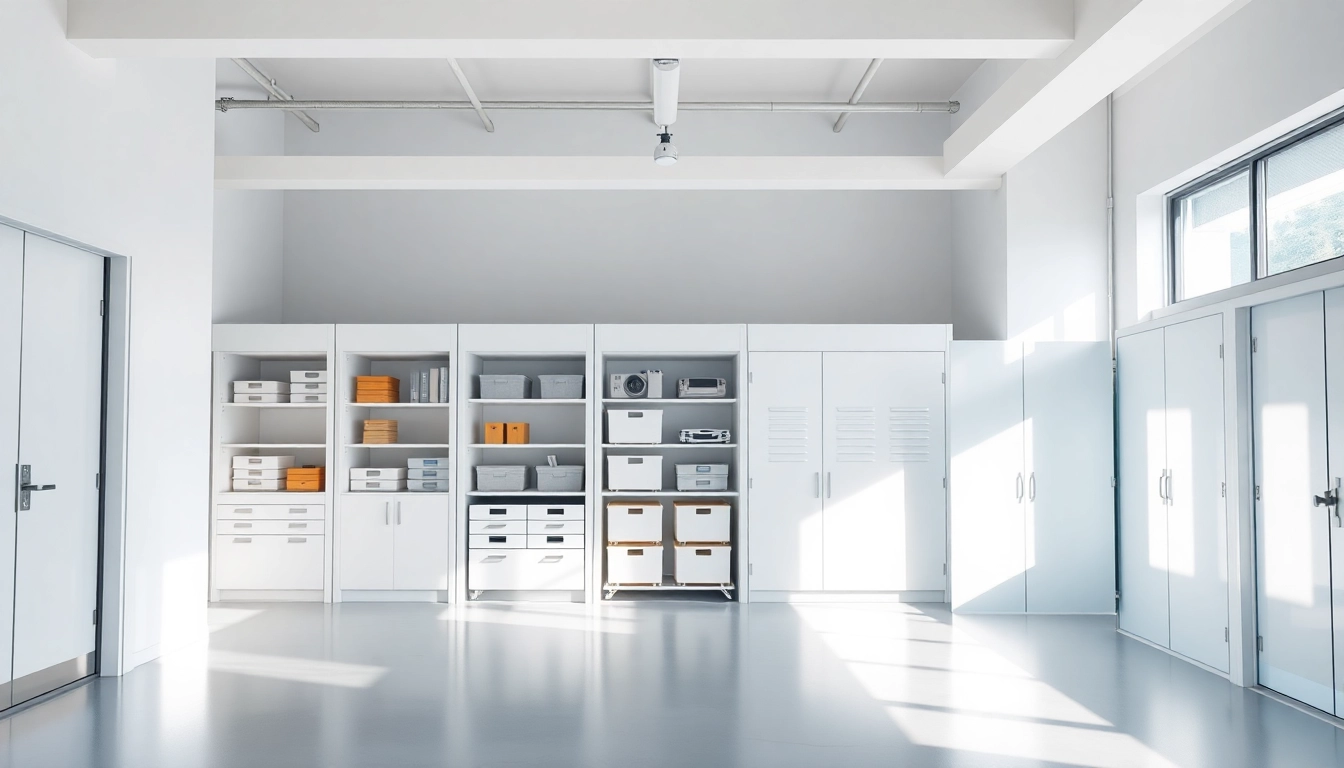
Understanding Self Storage Units
What Are Self Storage Units?
Self storage units are secure spaces rented by individuals or businesses to store their belongings on a short- or long-term basis. These units come in various sizes and provide a flexible storage solution for a wide range of needs, from household items and furniture to commercial inventory. The demand for self storage units has surged as more people seek decluttering options and businesses require additional space without committing to long-term leases.
Types of Self Storage Units
There are several types of self storage units available, each catering to specific storage needs:
- Standard Units: Basic, enclosed spaces that protect belongings from external elements, suitable for general storage needs.
- Climate-Controlled Units: Units equipped to maintain a stable temperature and humidity level, ideal for sensitive items such as electronics, antiques, or perishable goods.
- Drive-Up Units: Accessible directly by vehicle, allowing for easy loading and unloading. These are often popular for heavy items or frequent access.
- Outdoor Storage: Larger spaces often for RVs, boats, or trailers, usually located outside of indoor facilities.
- Business Storage Units: Designed for companies to store documents, inventory, or materials at an affordable rate, usually emphasizing secure access and organized shelving.
Benefits of Using Self Storage Units
Utilizing self storage units offers several advantages:
- Flexibility: Renters can choose the size and rental duration that best suits their needs, facilitating changes in storage requirements over time.
- Security: Most facilities provide 24/7 surveillance, gated access, and individual locks, ensuring that stored items are safe and secure.
- Space Management: Self storage units help declutter a home or business, making spaces more usable and organized.
- Accessibility: Many units allow renters to access their belongings 7 days a week, providing convenience for both individuals and businesses.
- Cost-Effective: Renting a storage unit can often be more affordable than relocating or expanding a home or office space.
Choosing the Right Self Storage Units
Factors to Consider When Selecting
Choosing the correct self storage unit involves several critical considerations:
- Location: Select a facility that is convenient for you, especially if you need regular access to your items. Proximity to home or work can save time and travel costs.
- Security Features: Investigate what security measures are in place, such as surveillance cameras, lighting, and access control systems to ensure the safety of your belongings.
- Accessibility Hours: Understanding the access times can help you determine whether it fits your schedule.
- Unit Size: Assess the volume and type of items you wish to store; renting a unit that is too large can be wasteful, while one that is too small may not be sufficient.
- Reviews and Recommendations: Researching customer reviews and seeking recommendations can provide insights regarding the quality of service provided by storage facilities.
Comparing Sizes and Features
Storage units come in various sizes, usually classified from small to large:
- Small Units: Typically 5×5 to 5×10 feet, suitable for personal items, seasonal decorations, or small furniture.
- Medium Units: Range from 10×10 to 10×15 feet, ideal for the contents of a one-bedroom apartment or room.
- Large Units: 10×20 feet and above can accommodate belongings from larger homes or bulkier items like appliances and vehicles.
Evaluating features like climate control, drive-up access, and security systems is crucial in matching your needs with the right unit.
Budgeting for Self Storage Units
Understanding the cost associated with self storage units can aid in effective budgeting:
- Rental Prices: Rates vary based on size, location, and additional features such as climate control. More desirable locations might incur higher fees.
- Additional Fees: Be aware of potential administrative fees, security deposits, and insurance costs, which can add to the overall expense.
- Discounts and Promotions: Many facilities offer promotions for first-time renters or long-term commitments, so it’s advantageous to ask about discounts.
- Budget Planning: Assess your financial capacity and determine how much you are willing to spend per month without compromising other essential expenses.
Maintaining Your Self Storage Units
Best Practices for Organization
To maximize the usability of a self storage unit, effective organization is critical:
- Labeling Boxes: Clearly label all boxes and containers with their contents to make retrieval easier.
- Inventory List: Maintain a list of items stored in the unit, helping track belongings for both personal and business needs.
- Stacking Strategically: Place heavier items at the bottom and lighter ones on top to avoid damage; also, leave pathways for easy access.
- Utilizing Vertical Space: Use shelving units or stackable boxes to leverage vertical storage, making the best use of available space.
- Routine Checks: Regularly visit and assess the condition of your stored items, ensuring they remain in good condition and are organized efficiently.
Security Tips for Self Storage Units
Ensuring the security of your belongings in a storage unit is vital:
- Strong Locks: Invest in high-quality locks that are difficult to break; disc locks are popular for their strength.
- Check Security Features: Familiarize yourself with the facility’s security features, including cameras, alarms, and how often the premises are monitored.
- Visit Frequently: Regular visits to your unit not only ensure that your items are secure but also deter potential thieves.
- Insurance: Consider getting insurance to protect your belongings in case of damage, theft, or unforeseen incidents.
- Choose a Reputable Facility: Research and select facilities with positive reviews regarding security; the reputation of the facility can often reflect its reliability.
Climate Control Considerations
Using climate-controlled storage can be crucial for certain items:
- Temperature Regulation: These units maintain consistent temperatures, protecting sensitive items from extreme heat or cold.
- Humidity Control: High humidity can cause mold and mildew; climate-controlled environments help mitigate these risks.
- Ideal for Specific Items: Consider climate control for wooden furniture, musical instruments, electronics, and documents that can degrade in excessive heat or moisture.
- Cost vs. Value: While climate-controlled units may be more expensive, the added protection can save you from potential losses on valuable items.
- Facility Conditions: Ensure that the facility is properly maintained and regularly monitored to guarantee the efficiency of their climate control systems.
Using Self Storage Units Effectively
Seasonal Storage Solutions
Self storage units are particularly useful for seasonal changes and needs:
- Holiday Decorations: Store seasonal decor away during the off-season to free up space and keep your living areas organized.
- Skiing and Summer Gear: Rotate out equipment such as skis in winter and surfboards in summer, making them easily accessible during their respective seasons.
- Clothing Storage: Use vacuum-sealed bags to store seasonal clothing, helping to protect them from moths and damage.
- Outdoor Furniture: Store patio furniture during the winter to increase its lifespan, reducing wear and tear.
- Organizing Seasonal Items: Label and organize seasonal items for quick retrieval based on seasonal needs.
Short-term vs. Long-term Storage Needs
Understanding your storage needs will guide whether to opt for short-term or long-term solutions:
- Short-term Storage: Ideal for temporary needs, such as during a move, renovation, or while traveling. Often used for 1-3 month rentals.
- Long-term Storage: Suitable for more permanent solutions, like business inventory, important documents, or family heirlooms that need safeguarding.
- Assessing Duration: Evaluate how long you realistically need the space to determine the most cost-effective solution.
- Promotions for Long-term Rentals: Look for discounts that storage facilities may offer for longer rental commitments.
- Lease Agreements: Always read the terms of the lease carefully to understand renewal options and pricing changes based on rental duration.
Commercial Uses of Self Storage Units
Businesses can greatly benefit from utilizing self storage units:
- Inventory Management: Store excess inventory or seasonal stock without needing to expand operational premises.
- Document Storage: Keep important documents or records off-site to free up office space and ensure organization.
- Equipment Storage: Safely store expensive equipment, tools, or materials that are not in constant use, reducing clutter in workspaces.
- Delivery and Shipping: Use storage units as drop-off points to streamline shipping logistics or manage surges in delivery due to seasonal demand.
- Flexibility for Start-ups: New businesses can opt for storage units as a flexible solution to manage cash flow and storage needs without a significant upfront investment.
Frequently Asked Questions
What can I store in self storage units?
Most items are allowed, including furniture, appliances, boxes, and seasonal items. However, prohibited items typically include perishables, hazardous materials, and stolen property.
How do I choose the right size storage unit?
Consider the quantity and size of items you need to store. Various facilities offer size guides which can help you determine the appropriate unit size for your needs.
Are self storage units secure?
Most self storage facilities have extensive security measures, such as 24/7 surveillance, gated access, and alarms, to ensure the safety of your belongings.
Can I access my self storage unit anytime?
Access hours vary by facility, with some offering 24/7 access while others may have restricted hours. Always check the facility’s policies before renting.
What is the typical cost of self storage units?
Costs vary based on size, location, and features of the unit. On average, prices can range from £30 to £300 per month, depending on these factors.


