
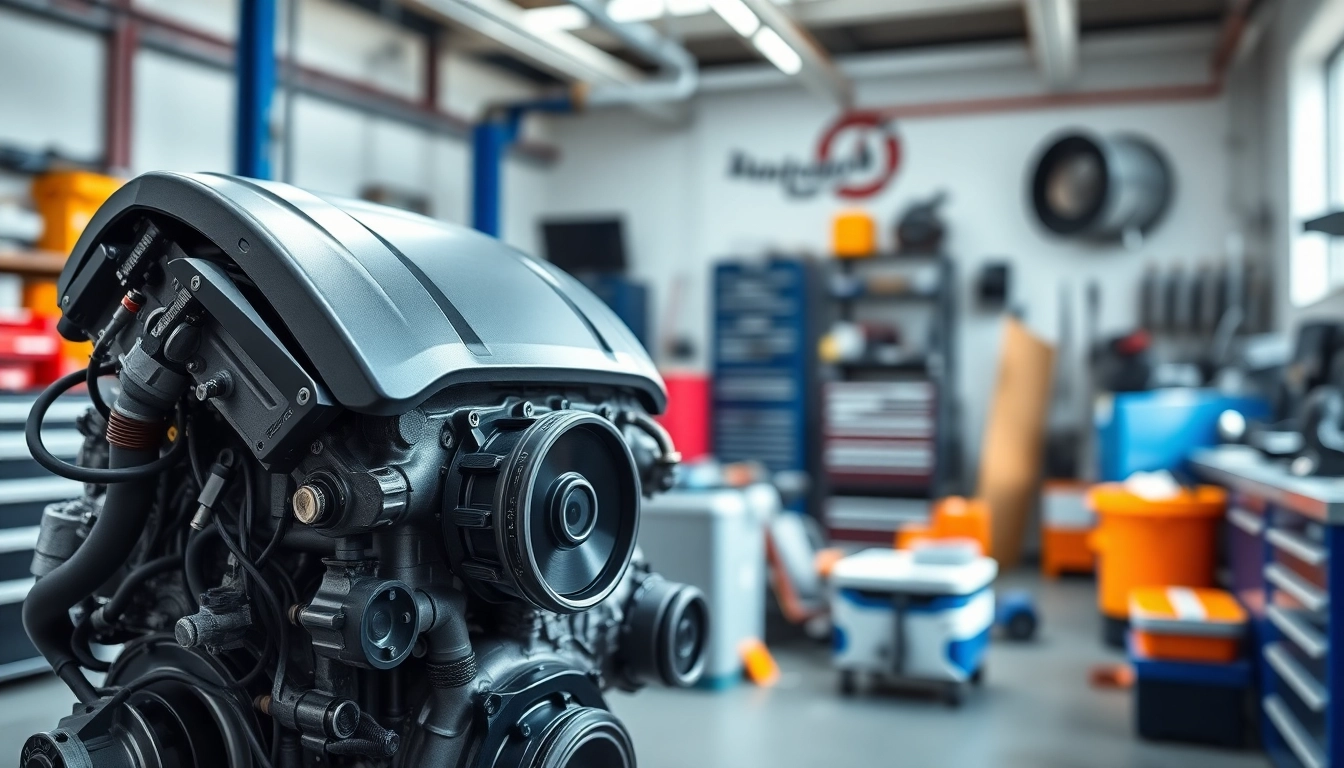
Understanding Approved Engines
Definition and Importance
In the realm of engineering and mechanical design, Approved Engines refer to engines that have passed a rigorous set of standards and evaluations, deemed suitable for a range of applications. The importance of these engines cannot be overstated, as they form the backbone of many industrial and consumer machines. Utilizing Approved Engines not only enhances performance but also guarantees reliability and adherence to safety regulations, which is imperative in today’s competitive market.
How Approved Engines Enhance Efficiency
Approved Engines are engineered for optimal performance, focusing on fuel efficiency, reduced emissions, and higher power output. The advanced technology incorporated within these engines allows for better combustion processes, enhancing overall system efficiency. Moreover, by utilizing high-quality materials and innovative design methodologies, Approved Engines minimize the likelihood of mechanical failures, thus prolonging operational life while reducing the total cost of ownership.
Innovative Features of Approved Engines
Many Approved Engines come equipped with state-of-the-art technology, such as electronic fuel injection and turbocharging, leading to significant improvements in efficiency and power. Additionally, features like real-time diagnostics and adaptive engine management systems allow operators to monitor performance metrics and implement proactive maintenance strategies. These innovations not only optimize engine functionality but also contribute to environmental sustainability by reducing greenhouse gas emissions.
Common Challenges with Approved Engines
Identifying Performance Issues
Even with the reliability of Approved Engines, identifying performance issues can pose a challenge. Symptoms like unusual noises, decreased fuel efficiency, and a loss of power can indicate underlying problems. Utilizing diagnostic tools and regular maintenance checks play an essential role in recognizing these issues early, allowing for timely interventions.
Addressing Maintenance Concerns
Maintenance is crucial to the longevity and efficacy of Approved Engines. Common concerns include wear and tear of engine components and the necessity for fluid changes. Regular inspections, adherence to manufacturer guidelines, and employing skilled professionals for maintenance tasks can significantly mitigate these concerns, ensuring optimal operation.
Evaluating Replacement Needs
As engines age, evaluating the need for replacement becomes imperative to avoid performance deterioration. Key indicators for engine replacement include rising operational costs, frequent breakdowns, and outdated technology. By understanding these factors, operators can make informed decisions regarding engine replacements, ensuring continued efficiency and reliability in their machinery.
Best Practices for Using Approved Engines
Regular Maintenance Strategies
Implementing a structured maintenance schedule is essential for maximizing the lifespan of Approved Engines. This includes routine oil changes, checking coolant levels, and inspecting belts and hoses for signs of wear. Utilizing a maintenance management system can help track these activities effectively, ensuring no vital checks are missed.
Upgrading to Modern Approved Engines
With the advancement of technology, upgrading to modern Approved Engines can provide significant benefits. Newer models often come with enhanced features such as better fuel economy and lower emissions. Evaluating the cost versus the potential savings on fuel and maintenance is crucial in making a sound investment in engine upgrades.
Choosing the Right Engine for Your Application
Selecting the appropriate engine to match specific application requirements is another vital aspect. Factors such as load demands, environmental conditions, and energy efficiency should guide your choice. Consulting with experts can provide valuable insights into selecting the most suitable Approved Engine for your operational needs.
Case Studies of Effective Approved Engines Implementation
Success Stories in Different Industries
Numerous industries have seen remarkable improvements after implementing Approved Engines. For instance, companies in the construction industry reported a dramatic increase in machinery uptime and a decrease in fuel costs. Similarly, manufacturers adopting these engines in their production lines have noted enhancements in productivity and product quality.
Performance Metrics and Analysis
Tracking performance metrics such as engine output, maintenance costs, and fuel consumption is crucial to assess the effectiveness of Approved Engines. Analyzing this data enables operators to refine their processes and make data-driven decisions that enhance overall operational efficiency.
Feedback from Engine Users
User feedback plays a critical role in understanding the real-world impact of Approved Engines. Many users have emphasized the reliability and cost-effectiveness of these engines, citing less frequent repairs and consistent performance. Testimonials from operators illustrate a substantial trust in Approved Engines, making them a preferred choice for many applications.
Frequently Asked Questions about Approved Engines
What are Approved Engines?
Approved Engines are engines certified to meet specific industry standards for performance, reliability, and safety, ensuring they are suitable for various applications.
How do I maintain my Approved Engines?
Regular maintenance involves scheduled oil changes, monitoring fluid levels, and conducting inspections to detect any signs of wear or failure early.
What are the signs of a failing engine?
Signs of a failing engine may include unusual noises, loss of power, decreased fuel efficiency, and frequent overheating issues.
Can I upgrade my engine to an Approved Engine?
Yes, upgrading to an Approved Engine is possible. It’s important to assess compatibility with your existing systems and benefits gained from the upgrade.
Where can I find quality Approved Engines?
Quality Approved Engines can be found through reputable suppliers or manufacturers who provide engines that meet industry standards and certifications.


