
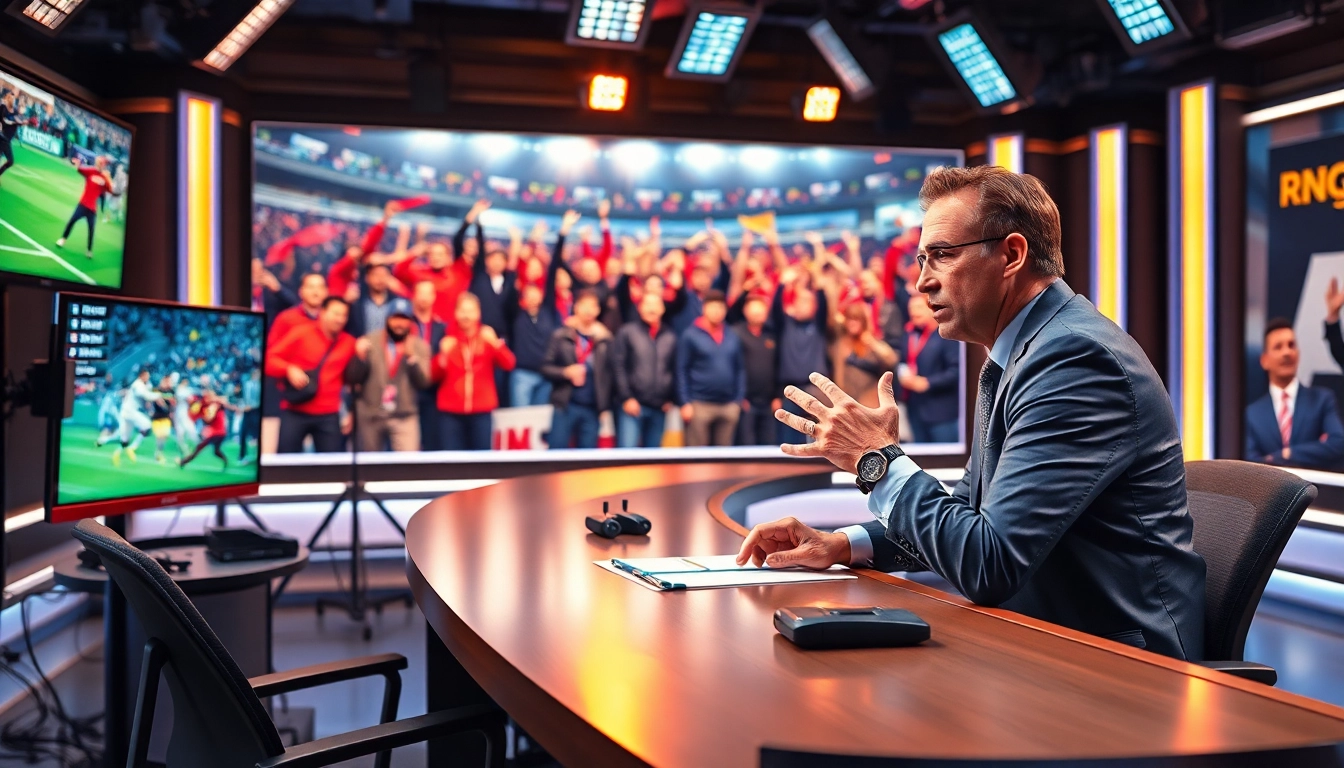
Understanding Sports Broadcasting
Defining Sports Broadcasting
Sports Broadcasting is an intricate blend of entertainment, information, and marketing, focused exclusively on delivering live sporting events to audiences via various media channels, including television, radio, and online platforms. This multifaceted discipline encompasses everything from the actual broadcast of games to the pre-and post-event analyses that enhance viewer understanding and engagement. As a dynamic industry, it plays a pivotal role in shaping sports culture and expanding fan bases. It empowers fans to connect with their favorite teams and athletes, fostering a deep sense of community and shared experience. According to the Sports Broadcasting industry analysis, trends have shifted towards a more interactive viewer experience, making it essential to understand both the craft of broadcasting and the psychology of the modern sports fan.
The Evolution of Sports Broadcasting
The origin of sports broadcasting can be traced back to radio transmissions in the early 20th century. With the advent of television in the 1930s, the industry began to flourish, allowing fans to experience live events from the comfort of their homes. Over the decades, technology continued to advance, leading to color broadcasting, satellite television, and the internet revolution, particularly in the 1990s. Today, platforms such as streaming services have transformed how audiences consume sports, allowing for greater accessibility and personalized content. The evolution emphasizes the shift from a one-way communication model to an interactive format, paving the way for greater audience engagement and participation.
Key Components of Sports Broadcasting
Sports broadcasting is not a monolithic entity; rather, it consists of several key components that work together seamlessly to create a compelling viewing experience. These elements include:
- Commentary: The voice of sports broadcasts, commentary provides context, analysis, and play-by-play descriptions to keep viewers engaged and informed.
- Production: This involves camera work, sound engineering, lighting, and editing, all coordinated to capture the excitement and nuances of live sports.
- Graphics: On-screen graphics enhance understanding by providing statistics, scores, and player information in real time.
- Advertising: Commercials are strategically placed, leveraging the captive audience to maximize revenue while maintaining viewer interest.
- Fan Interaction: Engaging the audience through social media, interactive polls, and live discussions is increasingly critical to keep viewers invested.
Technical Aspects of Sports Broadcasting
Equipment and Software
Sports broadcasting relies on advanced equipment and software crucial for delivering high-quality content. High-definition cameras, drones, and stabilized gimbals are employed to capture every angle of the action. Furthermore, sophisticated broadcasting software integrates various media inputs to create a cohesive viewing experience. Graphics applications enable real-time statistics and player analytics to be displayed, enriching the viewer’s experience and offering deeper insights into the game.
Broadcasting Formats and Channels
Sports broadcasts can take various formats, including traditional television broadcasts, pay-per-view, and live streaming. Each format has unique strengths and challenges, catering to different audience preferences. Terrestrial television remains popular; however, streaming services have captured significant market share by offering flexibility and accessibility. Channels may also differentiate themselves by focusing on niche sports, providing dedicated coverage that traditional networks may overlook.
Mobile and Streaming Technologies
The rise of smartphones and tablets has transformed sports broadcasting by allowing fans to access content anytime and anywhere. Mobile apps have become the go-to platforms for real-time updates, live streaming, and match highlights. Technologies like 5G are revolutionizing how sports are delivered to mobile devices, providing instantaneous, high-quality streams. As more viewers shift away from traditional cable subscriptions in favor of streaming services, broadcasters must adapt their strategies to meet audience expectations.
Impact on Audience Engagement
Statistics on Viewer Interaction
The landscape of audience engagement has shifted dramatically in recent years. Statistics show that interactive content—polls, quizzes, and predictive games—can significantly enhance viewer satisfaction and engagement. In fact, research indicates that audiences enjoy 80% more engagement time with programs that incorporate such interactive elements. This shift challenges broadcasters to innovate continually, meeting the expectations of a more demanding audience.
Social Media Integration
Social media platforms have become vital tools for enhancing sports broadcasting. They facilitate real-time interactions, enabling fans to share their opinions, experiences, and insights during live broadcasts. Platforms like Twitter and Instagram have transformed the way viewers engage with content, providing immediate feedback loops for broadcasters. Successful integration leads to increased viewer loyalty and a broader reach, as fans spread content within their networks.
Personalization in Sports Broadcasting
Personalization is a game-changer in sports broadcasting. Utilizing data analytics, broadcasters can tailor the viewing experience, offering content that aligns with individual interests. Whether through customized viewing options or notifications about favorite teams and players, this targeted approach enhances viewer satisfaction. By prioritizing personalization, sports broadcasters can foster long-term relationships with fans, boosting retention rates.
Challenges in Sports Broadcasting
Licensing and Rights Issues
Obtaining broadcasting rights is one of the most significant hurdles in sports broadcasting. Each league and governing body sets its criteria, often resulting in steep competition for live event rights. Licensing agreements can be complex, influenced by numerous factors, including geographic restrictions and revenue-sharing models. Broadcasters must navigate these challenges while ensuring compliance and maintaining a high-quality viewing experience.
Adapting to Technological Changes
The rapid pace of technological advancement poses a challenge for sports broadcasters, demanding that they remain adaptive and innovative. From virtual reality experiences to augmented reality graphics, integrating new technologies requires both investment and strategic foresight. Many broadcasters invest in research and development to stay ahead of trends, while also training personnel to utilize new tools effectively. Fostering a culture of innovation is crucial for success in this highly competitive environment.
Maintaining Viewer Loyalty
With numerous alternatives for sports content available, maintaining viewer loyalty is a pressing challenge for broadcasters. Strategies to counteract viewer attrition include offering exclusive content, enhancing community interaction, and ensuring a seamless user experience. Breeding loyalty can also be fueled through loyalty programs and targeted marketing efforts that resonate with dedicated fans. Sustaining viewer interest requires constant effort and a finger on the pulse of audience desires.
The Future of Sports Broadcasting
Emerging Trends
The future of sports broadcasting is poised for transformation, driven by emerging trends like artificial intelligence, advanced analytics, and immersive technologies. These innovations are shaping content delivery and enriching viewer experiences through enhanced storytelling and data integration. Interactive experiences are expected to evolve further, inviting fans to actively participate in broadcasts, thereby creating a unique engagement landscape.
Artificial Intelligence’s Role
AI technologies are significantly influencing sports broadcasting by improving content curation and personalization. Algorithms analyze viewer habits and preferences to serve tailored recommendations, increasing viewer engagement. Furthermore, AI can automate highlights, generating instant replays and graphics. This efficiency not only improves the viewing experience but also allows broadcasters to allocate resources more effectively.
Fan-Centric Broadcasting Models
The shift towards fan-centric broadcasting models is changing the way content is created and delivered. Fans increasingly expect their voices and preferences to shape broadcasts, leading to a more participatory approach. This includes interactive show formats, fan-driven content, and direct engagement opportunities, fostering a deeper connection between broadcasters, teams, and viewers. Embracing these models is essential for future relevance in a rapidly evolving sports landscape.
FAQs
1. What is Sports Broadcasting?
Sports Broadcasting refers to the live transmission of sporting events through various media, including television, radio, and online platforms, aiming to entertain and inform audiences.
2. How has technology impacted Sports Broadcasting?
Technology has revolutionized Sports Broadcasting by introducing high-definition visuals, mobile access, streaming services, and interactive content, enhancing viewer engagement significantly.
3. What are the main challenges in Sports Broadcasting?
Key challenges include managing licensing rights, adapting to technological shifts, and retaining viewer loyalty amidst increasing competition from alternative content sources.
4. How does social media influence Sports Broadcasting?
Social media enhances Sports Broadcasting by facilitating real-time fan interactions and feedback, broadening reach, and offering a platform for viewers to engage with each other and the content.
5. What trends are shaping the future of Sports Broadcasting?
Emerging trends include the integration of artificial intelligence, augmented reality, and fan-centric models, aiming to create a more personalized and engaging viewing experience.