
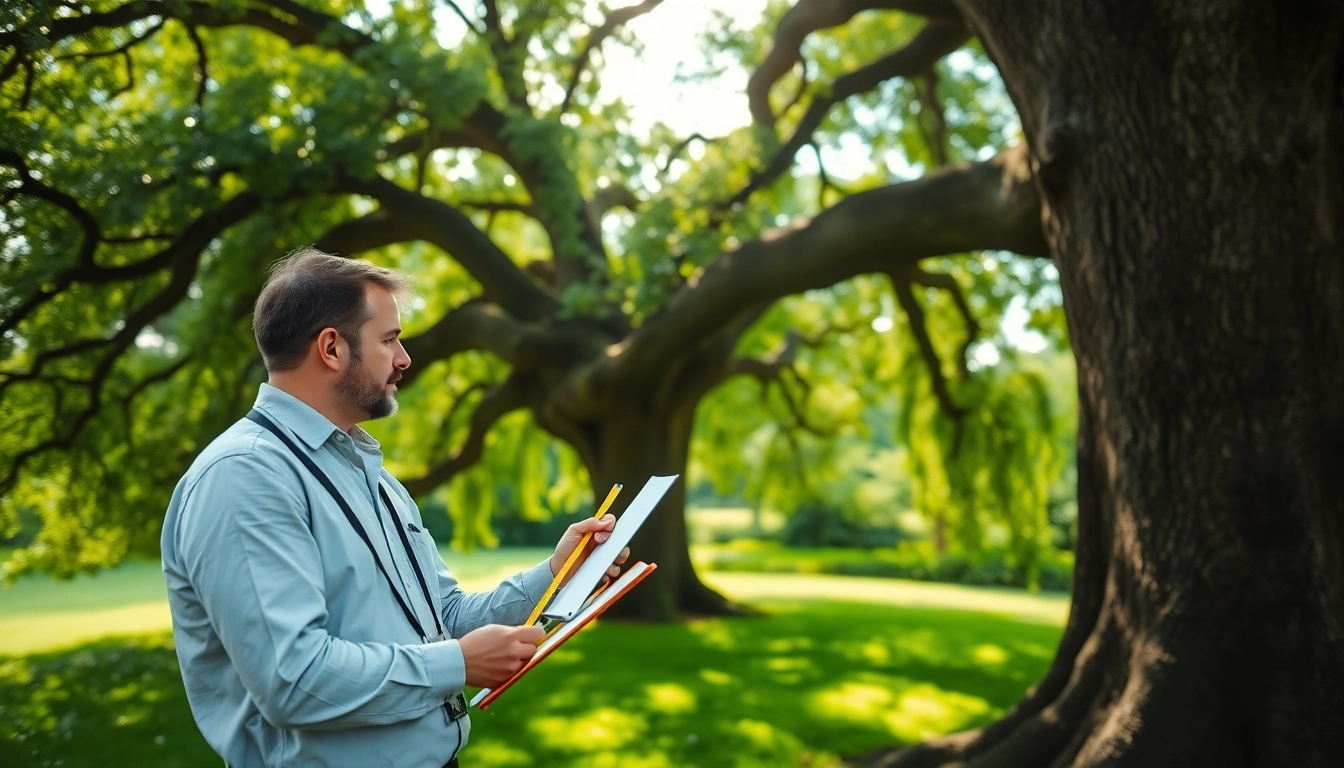
Understanding Tree Consultancy
What is Tree Consultancy?
Tree Consultancy involves the provision of expert advice and services regarding the management, maintenance, and conservation of trees. It encompasses a range of activities, including tree health assessments, management planning, and tree risk evaluation. As urbanization increases and environmental concerns rise, the expertise of tree consultants becomes essential for ensuring the longevity and health of trees in various ecosystems. Engaging professionals in Tree Consultancy can help communities develop sustainable strategies for urban forestry and natural resource management.
Importance of Tree Consultancy Services
Tree consultancy services play a vital role in safeguarding both human and environmental health. Trees mitigate air pollution, provide habitats for wildlife, and enhance urban aesthetics, making consultancy critical for maintaining these benefits. Consultants help identify tree diseases, assess risks, and propose management strategies to ensure trees thrive. Moreover, they assist in compliance with regulations and best practices, fostering a balance between development and conservation.
Consultancy vs. Arborist: Key Differences
While both consultants and arborists focus on tree health, their roles differ significantly. Arborists specialize in the care and maintenance of individual trees, such as pruning, diagnosis of diseases, and pest management. In contrast, tree consultants provide broader strategic analyses, encompassing entire landscapes, ecosystems, and community needs. Understanding these differences is crucial for selecting the right professional for specific tree-related challenges.
Common Challenges in Tree Management
Pests and Diseases Impacting Trees
Trees are vulnerable to various pests and diseases that can severely affect their health and growth. Consultants employ scientific methods to identify symptoms of infestations or infections, ensuring timely interventions. Common pests include aphids and beetles, while diseases may range from root rot to fungal infections. Regular monitoring and assessments are crucial for early detection and effective management of these challenges.
Environmental Factors and Their Effects
Environmental changes, such as climate variability, soil composition, and urbanization, significantly impact tree growth and health. Tree consultants analyze these factors, providing tailored recommendations based on specific local conditions. Understanding the interplay of the environment and tree vitality is key to formulating a successful management plan, especially in urban spaces where trees face numerous stressors.
Legal Regulations and Tree Management
Tree management is often governed by local regulations aimed at preserving public health and safety. Tree consultants ensure that their practices comply with municipal codes, zoning ordinances, and environmental laws. Staying updated on legal requirements not only helps in avoiding fines but also promotes responsible urban development that respects natural resources.
Best Practices in Tree Consultancy
Effective Tree Assessment Techniques
Tree assessment is a cornerstone of tree consultancy, employing various techniques to appraise tree health. Tools such as resistographs and aerial mapping allow for a comprehensive evaluation of tree structure and root systems. Moreover, visual inspections combined with technology enable consultants to create detailed reports that inform management actions and help prioritize resources effectively.
Implementing Sustainable Practices
Sustainable tree management practices focus on enhancing the ecological balance within urban settings. This includes promoting native species, implementing organic pest management, and utilizing sustainable materials in maintenance acts. By fostering biodiversity, consultants ensure that urban forests support a wide range of wildlife while benefiting communities.
Developing a Tree Management Plan
A well-crafted tree management plan defines how trees will be monitored, maintained, and replaced. Consultants collaborate with stakeholders to create customized plans based on tree species, site conditions, and community needs. These plans ensure that resources are allocated efficiently and that the long-term health of trees is secured, thereby enhancing both environmental and social outcomes.
Real-World Applications of Tree Consultancy
Case Study: Urban Tree Management
Urban areas present unique challenges concerning tree management, largely due to limited space and competing priorities. A case study in city park management illustrated that a holistic approach incorporating public engagement and expert consultancy could lead to a thriving urban forest. By conducting detailed assessments and engaging local communities, consultants were able to enhance biodiversity and improve the overall aesthetic of the urban landscape.
Tree Consultancy for Environmental Restoration
Environmental restoration projects often require the expertise of tree consultants to restore ecosystems affected by human activity. Whether reforesting a degraded area or rehabilitating shores and wetlands, their knowledge is invaluable for selecting appropriate species and ensuring the restoration process is ecologically sound. This collaborative approach strengthens local ecosystems while contributing to global conservation efforts.
Community Engagement in Tree Care
Educating communities about the importance of trees encourages better stewardship and engagement in care efforts. Through workshops and outreach programs, tree consultants can teach residents about proper tree care practices, creating advocates for the environment within the community. This engagement not only increases public awareness, but fosters a collective responsibility for tree management.
Measuring Success in Tree Consultancy
Key Performance Indicators for Trees
Measuring the effectiveness of tree consultancy involves specific performance indicators, such as tree survival rates, growth rates, and ecological impact assessments. Regular monitoring helps consultants and stakeholders understand how implemented strategies are performing and whether adjustments are necessary. By focusing on these metrics, communities can enhance their tree management strategies over time.
Feedback and Continuous Improvement
Consistent feedback loops are essential for the continual improvement of tree consultancy practices. By soliciting input from community members and stakeholders, consultants can refine their approaches and improve their services. This iterative process not only enhances relationships but also leads to better outcomes in tree health and community satisfaction.
The Future of Tree Consultancy Services
As environmental challenges grow, the demand for tree consultancy services is expected to rise. Future consultants will likely harness advancing technology such as remote sensing and AI for tree assessments and monitoring. By continuously adapting to new methods and engaging with communities, tree consultants will play a crucial role in fostering resilient urban forests.
Frequently Asked Questions
What does a tree consultant do?
A tree consultant assesses tree health, provides management plans, and advises on sustainability practices.
How can tree consultancy benefit my community?
Consultancy enhances tree care, promotes biodiversity, and ensures sustainable urban forestry practices.
Are tree consultants certified?
Many tree consultants hold certifications such as ISA (International Society of Arboriculture) ensuring professional standards.
What should I look for in a tree consultancy?
Experience, certifications, and a commitment to sustainability are essential qualities to seek in a consultancy.
Can tree consultancy help with legal issues?
Yes, consultants help ensure compliance with local tree regulations and address legal concerns related to tree management.


