Understanding Aesthetic Treatments
What are Aesthetic Treatments?
Aesthetic treatments encompass a range of procedures aimed at enhancing physical appearance through medical or cosmetic procedures. These treatments are non-surgical or minimally invasive options that focus on improving the skin, hair, and overall beauty. As the field of aesthetics evolves, these treatments have gained popularity among individuals seeking to achieve specific cosmetic goals. Among the various options available, aesthetic treatments stand out for their effectiveness and variety. The growing acceptance of these procedures has led to increased demand and advancements in technology, thereby enhancing safety and outcomes.
Common Types of Aesthetic Treatments
Aesthetic treatments can be categorized into several types, each targeting specific concerns:
- Injectables: Treatments such as Botox and dermal fillers effectively reduce wrinkles and restore volume to the face.
- Laser Treatments: Laser technologies can target pigmentation issues, vascular lesions, and skin texture, offering solutions like laser hair removal and rejuvenation.
- Chemical Peels: These treatments exfoliate the skin’s outer layer, helping to improve skin texture and reduce signs of aging.
- Microneedling: This minimally invasive procedure stimulates collagen production, leading to improved skin elasticity and appearance.
- Body Contouring: Techniques such as cool sculpting help to eliminate stubborn fat deposits without invasive surgery.
Benefits of Aesthetic Treatments
Aesthetic treatments offer numerous advantages that contribute to both physical appearance and emotional well-being. Some of the key benefits include:
- Boosted Confidence: Many individuals experience increased self-esteem following improvements in their appearance.
- Minimally Invasive Options: Many aesthetic treatments require little to no downtime, allowing individuals to return to their daily activities quickly.
- Personalized Solutions: Treatments can be tailored to meet the specific needs and goals of each individual.
- Long-Lasting Results: Many of these procedures can yield results that last for months or even years, depending on the treatment type.
- Improved Skin Health: Procedures often enhance not just appearance but also skin texture and health, leading to healthier skin over time.
Choosing the Right Aesthetic Treatments
Assessing Your Skin Type
The process of selecting the right aesthetic treatments begins with understanding your skin type. Skin can be classified into four main types: normal, oily, dry, and combination. Each type reacts differently to various treatments. For instance:
- Normal Skin: This skin type typically tolerates a wide range of treatments well.
- Oily Skin: Treatments targeting excess oil and acne may be more appropriate.
- Dry Skin: Options focused on hydration and restoration can benefit this skin type.
- Combination Skin: Tailored treatments that address various areas may be necessary.
Consultation and Professional Advice
Before undergoing any aesthetic treatment, it’s essential to consult with a qualified practitioner. During this consultation, various factors will be assessed, including:
- Your medical history
- Skin assessment
- Desired outcomes
- Potential risks and benefits
Professional advice ensures that you make informed decisions and choose the treatments that align best with your individual needs.
Personal Goals for Aesthetic Treatments
Identifying personal goals is a crucial step in the decision-making process. Whether it’s reducing fine lines, enhancing facial contours, addressing acne scars, or rejuvenating skin texture, having clear objectives can guide your choice in treatments. Having realistic expectations based on your desired results will lead to greater satisfaction with the outcome.
Preparing for Your Aesthetic Treatments
What to Expect During a Session
Preparation for aesthetic treatments varies depending on the procedure. Generally, here’s what you can expect:
- Initial Assessment: Your practitioner will evaluate your skin and discuss treatment options.
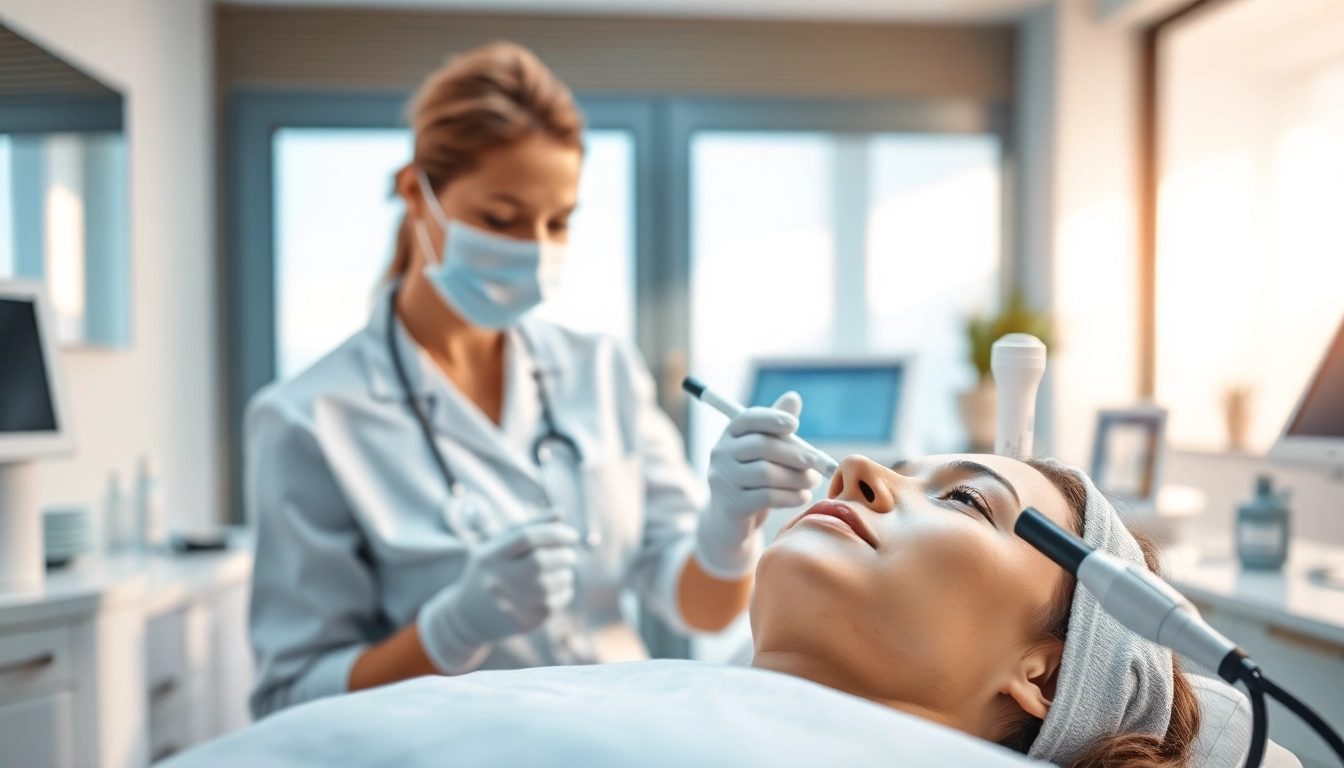
- Cleaning the Area: The treatment area will be cleaned to minimize the risk of infection.
- Application of Topical Anesthesia: For discomfort management, a numbing cream may be applied prior to the procedure.
- Procedure: The treatment is performed, which may take anywhere from a few minutes to an hour, depending on the procedure.
Post-Treatment Care
To maximize the benefits of your aesthetic treatments, following post-treatment care instructions is vital. Common post-care practices include:
- Avoiding sun exposure and using sunscreen diligently.
- Refraining from strenuous exercise for a short period.
- Keeping the treated area clean and avoiding harsh products.
- Observing for any unusual reactions and contacting your practitioner if necessary.
Managing Expectations
Having realistic expectations is essential when it comes to aesthetic treatments. While many procedures yield positive outcomes, results vary from person to person based on skin type, treatment type, and individual response. Understanding that some treatments may require multiple sessions or follow-up treatments is important for satisfaction.
Maintaining Results After Aesthetic Treatments
Skincare Routines
To maintain the results of your aesthetic treatments, a consistent skincare routine is indispensable. Recommended practices include:
- Using products tailored to your skin type.
- Incorporating antioxidants to protect and rejuvenate the skin.
- Hydrating adequately to promote skin elasticity and health.
- Applying sunscreen daily to prevent premature aging and color changes.
Follow-Up Treatments
Many aesthetic treatments are designed to be part of a broader treatment plan. Scheduling follow-up treatments can help sustain and optimize results. Speak with your practitioner about the appropriate intervals for follow-up sessions to keep your appearance fresh and revitalized.
Lifestyle Factors Affecting Results
Various lifestyle factors can influence the longevity of results from aesthetic treatments. Key considerations include:
- Diet: Consuming a balanced diet rich in vitamins and antioxidants supports skin health.
- Hydration: Drinking adequate water is essential for maintaining skin elasticity and vibrancy.
- Smoking: Avoiding tobacco will enhance your skin’s appearance, as smoking can accelerate aging.
- Stress Management: Managing stress through relaxation techniques can contribute to healthier skin.
FAQs about Aesthetic Treatments
Are aesthetic treatments safe?
Yes, when performed by a qualified professional, aesthetic treatments are generally safe. It’s crucial to ensure that you choose a certified practitioner.
How long do the results of aesthetic treatments last?
The duration varies depending on the treatment; some effects can last for months, while others can last for years or even be permanent.
Can aesthetic treatments damage my skin?
While risks exist, professionals take precautions to minimize potential damage. Always discuss concerns with your practitioner.
Are aesthetic treatments suitable for all skin types?
Most treatments can be tailored to suit different skin types and conditions. Consult with a professional to find the right option for you.
Is pain associated with aesthetic treatments?
Discomfort can vary by treatment. Many use numbing techniques to enhance comfort during procedures, ensuring a better experience.