
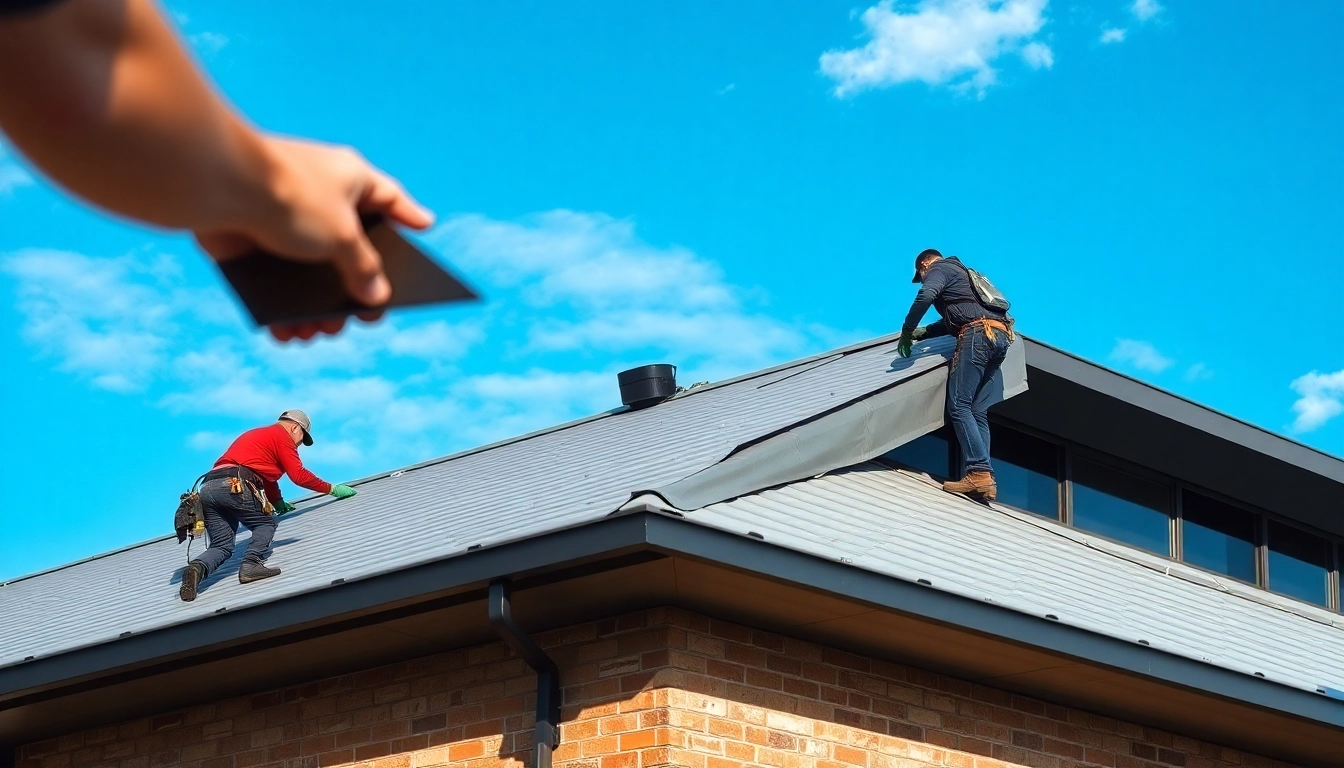
Understanding Commercial Roofing Services
What Are Commercial Roofing Services?
Commercial roofing services encompass a variety of specialized services designed to install, repair, maintain, and replace roofs on commercial buildings. Unlike residential roofing, which usually deals with standard house structures, commercial roofs are typically flat or low-slope and require different materials, techniques, and maintenance regimes. These services are essential for ensuring that businesses maintain safe, efficient, and aesthetically pleasing environments for their operations and clientele.
The complexity of commercial roofs is attributed to their size, design, and the materials they utilize, such as TPO, EPDM, metal, or built-up roofing systems. This diversity calls for roofing contractors who not only have the technical skills but also an understanding of commercial building codes and safety regulations. Utilizing expert commercial roofing services ensures that your business’s roofing needs are effectively addressed.
Types of Commercial Roofs
Different types of commercial roofs require specific services and materials tailored to their characteristics. Below are the main types of commercial roofs and an overview of their features:
- Flat Roofs: Flat roofs are the most common type for commercial buildings. They typically utilize materials like TPO, EPDM, or PVC because of their ability to withstand various weather conditions without allowing water retention.
- Low-Slope Roofs: These roofs offer a slight incline to help with drainage. Materials used can include modified bitumen or built-up roofing systems designed for such slopes.
- Metal Roofs: Increasingly popular due to their durability and longevity, metal roofs are typically made from aluminum, steel, or copper. They are resistant to extreme weather and can be designed to reflect heat.
- Green Roofs: These eco-friendly roofs consist of vegetation and soil, requiring specific installation and maintenance services to ensure plant health while providing insulation and reducing heat.
- Shingle Roofs: Though more common in residential buildings, some commercial structures also utilize shingles. These roofs can vary in material types including asphalt, wood, or composite.
Benefits of Professional Roofing Services
Investing in professional commercial roofing services comes with a plethora of benefits. Here are some significant advantages:
- Expertise and Experience: Professionals bring extensive knowledge about roofing materials, local building codes, and industry best practices, ensuring quality workmanship.
- Durability and Longevity: Using quality materials and skilled installation leads to longer-lasting roofs, reducing the frequency of repairs or replacements.
- Safety Compliance: Professional roofers are trained to comply with safety standards, minimizing the risk of accidents or injuries on the job.
- Warranty Protection: Many professional roofing services offer warranties, providing peace of mind regarding the quality and longevity of their work.
- Time and Cost Efficiency: Hiring skilled professionals can reduce the time and money spent on repairs and maintenance over the roof’s lifespan.
Choosing the Right Commercial Roofing Services
Identifying Your Roofing Needs
Identifying the specific roofing needs of your commercial property involves several key considerations:
- Assessing Structural Integrity: Before any roofing work begins, a thorough assessment of the building’s structure is necessary to determine any underlying issues that may affect new roof installations.
- Evaluating Roof Types: Choosing the appropriate roofing type is critical. Factors such as the local climate, building design, and business operations will guide this selection.
- Understanding Legal and Safety Requirements: Familiarize yourself with local building codes and safety regulations to ensure compliance during the roofing process.
- Setting a Budget: Determine the financial resources available for roofing services, as this will significantly influence the materials and services you can afford.
Key Qualities to Look for in a Roofing Contractor
When selecting a roofing contractor, it’s vital to consider various qualities that indicate reliability and professionalism:
- Licensing and Insurance: Verify that the contractor has the necessary licenses and insurance coverage to protect against potential liabilities.
- Experience and Reputation: Look for contractors with substantial experience in commercial roofing and positive reviews or testimonials from previous clients.
- Quality of Materials: Assess the quality and type of materials the contractor uses, as these directly impact the durability of your roof.
- Detailed Proposals: A good contractor provides a detailed, written proposal outlining the scope of work, materials, timelines, and cost estimates.
- Post-Service Support: Ensure that your contractor offers maintenance services and warranties to safeguard your investment long-term.
Estimating Project Costs and Timelines
Understanding the cost and timeline for roofing projects is crucial for effective planning:
- Estimating Costs: Costs can vary significantly based on the type of roofing, materials, labor, and the size of the building. Obtaining multiple quotes can give you a clearer picture.
- Timeline Considerations: The project timeline will depend on various factors including the roofing type, weather conditions, and contractor availability. Establishing a clear timeline helps in minimizing disruption to business operations.
- Contingency Planning: Always have contingency funds available to manage unexpected costs or delays that can arise during roof installation or repair.
The Installation Process of Commercial Roofing Services
Preparation and Planning Stages
The preparation and planning stages set the foundation for a successful roofing project:
- Initial Consultations: Begin with consultations between the business owner and roofing contractor to accurately identify needs and expectations.
- Site Analysis: Conduct a detailed site analysis to examine existing conditions and determine any potential issues before installation.
- Material Selection: Choose appropriate materials that align with your goals, budget, and local climate considerations.
- Design and Engineering: For complex roofing systems, working with architects or engineers may be necessary for design adaptation.
Execution of Roofing Services
The actual execution of roofing services involves a series of carefully coordinated steps:
- Ground Preparation: Ensure the ground is clear and stable before any materials are brought in for installation.
- Material Delivery: Schedule timely delivery of materials to prevent delays and ensure they are suitable for the specific roofing system.
- Installation Process: Follow best practices for the specific roofing type, which may involve insulation installation, underlayments, and the actual roofing materials being laid down.
- Quality Control: Conduct regular quality checks throughout the installation process to ensure standards are met.
Post-Installation Inspection and Maintenance
Once the installation is complete, subsequent inspections and maintenance are crucial:
- Final Inspections: A thorough inspection should be conducted post-installation to identify any potential issues before they’re covered up.
- Maintenance Planning: Establish a maintenance plan that includes periodic inspections, cleaning, and repairs to extend the life of the roof.
- Documentation: Keep records of the installation process and maintenance schedules for future reference and warranty purposes.
Common Challenges in Commercial Roofing Services
Weather-Related Concerns
Weather conditions can significantly impact roofing projects. Here are some challenges and solutions:
- Heavy Rain or Snow: Adverse weather can delay projects. Plan roofing work during seasons with predictable weather patterns.
- Temperature Fluctuations: Extreme temperatures can affect material performance. Select materials that can withstand local temperature extremes.
- Wind Issues: High winds during installation can pose safety risks. Schedule work during calmer days when weather forecasts predict stability.
Material Selection Issues
Selecting the right materials for commercial roofs is critical but can pose challenges:
- Quality vs. Cost: Balancing material cost against quality can be difficult. Always prioritize reputable brands known for durability and performance.
- Availability: Ensure materials are readily available to avoid project delays. Have alternative options identified in case of shortages.
- Compatibility: Make sure the selected materials are compatible with existing systems and any desired building upgrades.
Finding Reliable Contractors
Finding trustworthy roofing contractors is essential, but can often be a challenge. Here are some strategies to improve your search:
- Referrals and Research: Seek referrals from other businesses or review online ratings and testimonials to find reputable contractors.
- Interview Candidates: Meet with multiple contractors, ask questions about their experience, and request previous work references.
- Contracts and Agreements: Ensure to have a detailed contract outlining scopes of work, timelines, and payment terms to protect your interests.
Maximizing the Value of Commercial Roofing Services
Regular Maintenance Practices
Establishing a routine maintenance plan can greatly enhance the longevity and performance of commercial roofs:
- Scheduled Inspections: Create a schedule for regular inspections at least twice a year to detect early signs of wear and tear.
- Cleaning Debris: Ensure that roofs are clear of leaves, branches, and other debris that can cause drainage issues.
- Addressing Minor Repairs: Promptly handling minor repairs can prevent them from escalating into significant issues.
Upgrading Your Commercial Roof
Sometimes, businesses may consider upgrading their roofs to improve performance:
- Energy Efficiency Improvements: Upgrading to more energy-efficient materials can reduce cooling costs and enhance building comfort.
- Enhanced Aesthetic Value: New roofing can improve curb appeal and reflect a modern image, which is particularly beneficial for businesses trying to attract customers.
- Technology Integration: Consider options like green roofs or solar panels that improve utility management and sustainability.
Evaluating Long-Term Performance Metrics
Evaluating the long-term performance of your commercial roof is essential to ensure it continues to meet your business needs:
- Tracking Repair Frequency: Keeping a record of repairs can help assess whether the roofing system is performing as expected.
- Evaluating Energy Costs: Monitor energy costs before and after any roof upgrades to evaluate their effectiveness.
- Tenant Feedback: Listen to feedback from building occupants regarding comfort and leaks, which can point to roofing issues.


