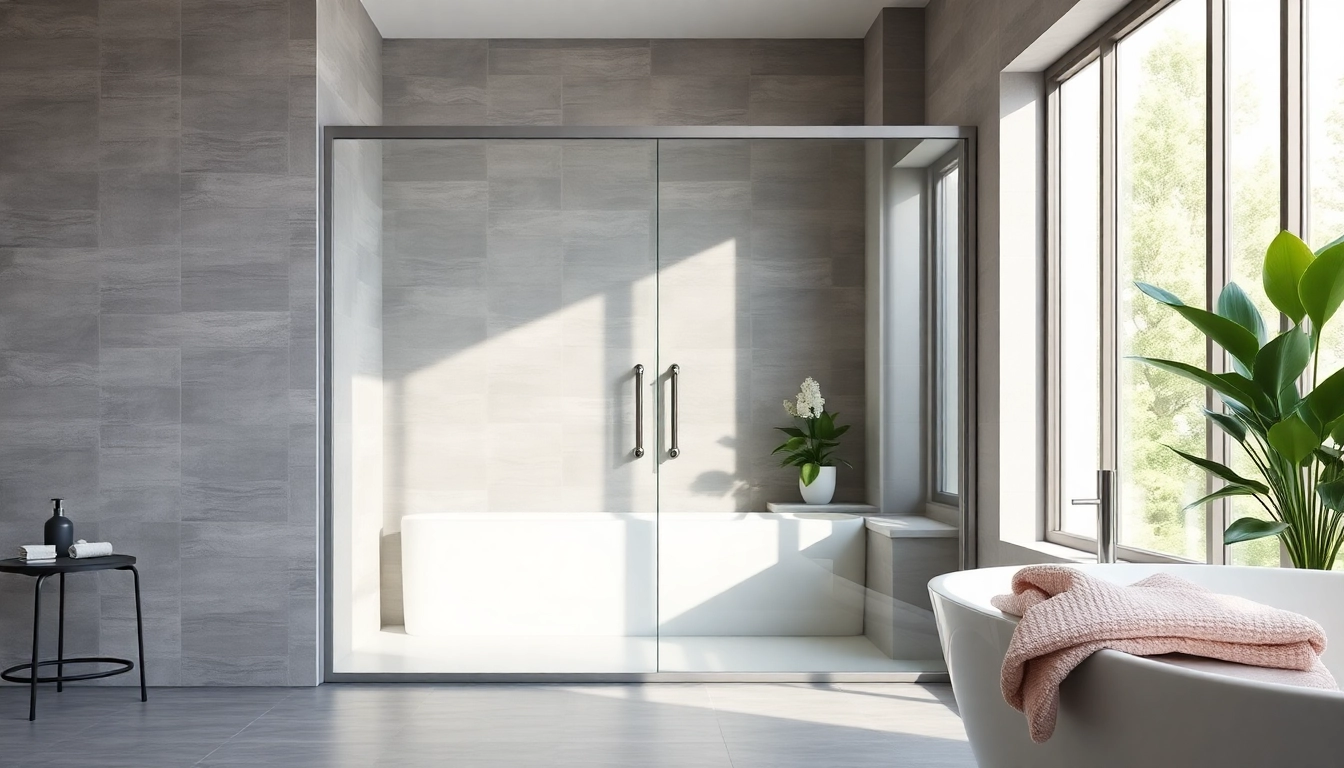
Understanding Shower Sliding Doors
Shower sliding doors have become an increasingly popular choice for modern bathrooms due to their space-saving design and aesthetic appeal. Unlike traditional swinging doors, these doors glide effortlessly along a track, providing an unobtrusive entrance to your shower space. This functionality not only maximizes your bathroom’s usability but also contributes to a sleek, contemporary look. For those considering enhancing their bathroom’s functionality and design, investing in shower sliding doors can be a smart decision.
What Are Shower Sliding Doors?
Shower sliding doors are a type of enclosure designed for shower stalls that slide open and closed on a track system. These doors typically consist of one or more panels that slide past each other, rather than swinging outwards, thus saving space and providing easy access. The design can range from minimalist frameless glass to more robust framed options, catering to various bathroom styles and preferences.
Benefits of Shower Sliding Doors
Choosing shower sliding doors comes with a host of advantages, enhancing your bathing experience and adding value to your home:
- Space Efficiency: The sliding mechanism allows for more usable space in smaller bathrooms, making them an ideal choice for compact areas.
- Modern Aesthetics: Their sleek and contemporary appearance suits a variety of interior designs, adding a touch of elegance to your shower.
- Accessibility: The ease of opening and closing sliding doors can be beneficial for individuals with mobility issues.
- Reduced Water Spillage: Properly fitted sliding doors minimize water leakage outside the shower area, keeping your bathroom drier.
Common Materials Used
Shower sliding doors come in various materials, each offering unique benefits:
- Glass: The most common choice for sliding doors, available in transparent, frosted, or textured designs. Glass doors enhance light flow and visual space but require regular maintenance to minimize water spots.
- Aluminum: Often used for frames, aluminum is resistant to corrosion and provides durability, making it a popular choice for framed doors.
- Plastic: A more affordable option effective for budget bathrooms, though it may not offer the same aesthetic appeal as glass.
Types of Shower Sliding Doors
Frameless vs. Framed Shower Sliding Doors
When choosing between frameless and framed shower sliding doors, consider the aesthetics and functionality:
- Frameless Doors: These offer a sleek, modern look and are typically made of thicker glass. They are easier to clean due to their minimal fixtures, but they may be more expensive.
- Framed Doors: Constructed with a metal frame, these doors offer added strength and can be more cost-effective. However, they may collect more grime in the crevices and require more maintenance.
Bypass vs. Bi-Fold Options
Shower sliding doors come in two primary configurations—bypass and bi-fold, each with distinct operational methods:
- Bypass Doors: Featuring two or more panels that slide past each other, these doors are ideal for wide openings and allow for versatile access.
- Bi-Fold Doors: These doors fold inwards when opened, providing a compact option for smaller spaces where full-sized bypass doors might be impractical.
Custom vs. Standard Sizes
When selecting shower sliding doors, it’s important to consider size:
- Standard Sizes: Available in fixed dimensions, these doors are typically more affordable and readily available but may not fit every unique shower setup.
- Custom Sizes: Perfect for non-standard shower dimensions, custom doors can achieve a seamless look but often come with a higher price tag and longer lead times.
How to Measure for Shower Sliding Doors
Important Measurements to Take
Accurate measurements are crucial for selecting the right shower sliding doors. Here are the key dimensions to note:
- Width: Measure the total opening width from one side of the wall to the other at the bottom and top to ensure uniformity.
- Height: Measure from the bottom of the shower curb or base to the top of the opening.
- Depth: If your shower enclosure has walls that extend beyond the opening, measure the depth to ensure the doors will open without obstruction.
Tools You Need for Measurement
To ensure you get the right measurements, you’ll need:
- Measuring tape
- Level
- Notepad and pencil for calculations
Common Pitfalls to Avoid
When measuring for shower sliding doors, avoid these mistakes:
- Not accounting for the thickness of the door and track.
- Failing to measure both width and height properly, which can lead to ill-fitting doors.
- Overlooking the impact of installation surfaces, like sloped floors or uneven walls.
Installation of Shower Sliding Doors
DIY Installation vs. Professional Help
While some homeowners may opt for a DIY installation, it is essential to weigh the pros and cons:
- DIY Installation: Potentially cost-saving, DIY can be manageable for those with experience in home improvement, but it requires precision to ensure a proper fit and function.
- Professional Installation: Bringing in a professional guarantees expertise and optimal installation, particularly for frameless options, though it comes at an increased cost.
Required Tools and Materials
Whether opting for DIY installation or hiring a professional, certain tools will be necessary, including:
- Drill
- Level
- Screwdriver
- Measuring tape
- Chisel (if needed for tile work)
- Sealant and caulk gun
Step-by-Step Installation Process
Installing shower sliding doors involves several key steps:
- Prepare the Shower Area: Ensure the surface is clean and dry before beginning installation.
- Measure and Mark: Mark the locations for the track and ensure they are level.
- Install the Track: Use a drill to secure the track, inserting anchor screws if necessary.
- Attach the Door Panels: Hang the door panels according to the manufacturer’s instructions, ensuring they glide smoothly.
- Seal Edges: Apply sealant along the edges to prevent water leaks.
Maintenance and Care for Shower Sliding Doors
Daily Cleaning Tips
Maintaining your shower sliding doors is vital for longevity and hygiene. Here are practical daily care tips:
- Wipe down the glass and tracks after each use to prevent soap scum buildup.
- Use a squeegee on the glass to minimize water spots and streaks.
- Check the tracks regularly and remove debris or build-up that can hinder the door’s movement.
Handling Common Issues
If you experience problems with your sliding doors, such as difficulties in opening and closing, consider these solutions:
- Dust and debris accumulation in the track can impede movement; regularly clean the tracks.
- If doors are misaligned, check the installation and adjust as needed.
- For rusted or corroded metal fittings, consider replacement or use a suitable rust remover to maintain smooth operation.
Long-term Care Strategies
To ensure your shower sliding doors remain in top condition over time:
- Consider applying a protective treatment to the glass that repels water and prevents stains.
- Inspect aging caulk and seals regularly, replacing them when they show signs of wear.
- Schedule a yearly professional assessment if you have frameless doors to ensure everything remains securely fastened.
Frequently Asked Questions
How do I clean shower sliding doors effectively?
Use a mixture of vinegar and water with a sponge, then squeegee off excess water to prevent spots.
Can shower sliding doors be installed in any bathroom?
Most bathrooms can accommodate shower sliding doors, but measure your space to ensure a proper fit.
What is the average cost of shower sliding doors?
The cost varies based on material and size, generally ranging from a few hundred to over a thousand dollars.
Are frameless sliding doors harder to maintain?
Frameless doors can require more care to keep clean due to their larger glass surfaces and lack of metal trims.
Do I need a special shower base for sliding doors?
A compatible shower base is recommended for optimal performance and preventing leaks, particularly for framed options.