
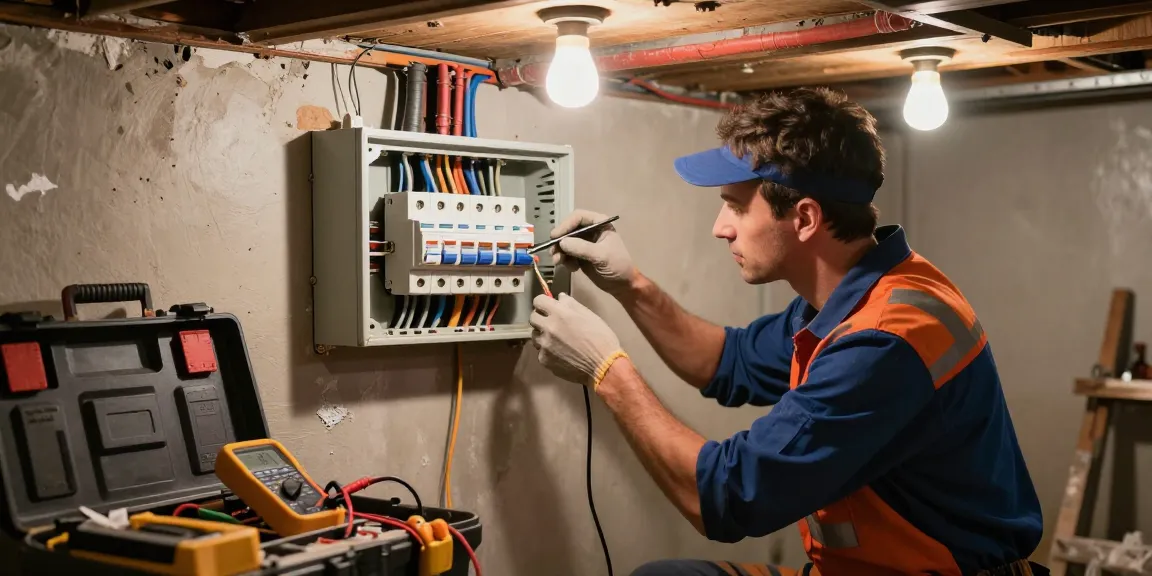
Understanding the Role of Emergency Electricians
When homeowners face sudden electrical issues, the need for an emergency electrician near me becomes urgent. These professionals are crucial for ensuring not just the functioning of electrical systems but also the safety of homes and occupants. In this article, we delve into the essential roles emergency electricians play, the types of emergencies they address, and why a prompt response is critical in these situations.
What Makes an Electrician an Emergency Specialist?
An emergency electrician specializes in addressing urgent electrical problems that require immediate attention. Unlike regular electricians, emergency specialists are available 24/7, enabling them to respond to urgent calls during odd hours or holidays. Their training includes a deeper understanding of quick diagnostic techniques and repair methods tailored to urgent situations, ensuring that they can swiftly tackle problems like power outages, exposed wiring, and circuit overloads.
Common Electrical Emergencies Homeowners Face
- Power Outages: Sudden loss of electricity can disrupt daily activities and pose safety risks.
- Flickering Lights: This could indicate faulty wiring or issues with the electrical panel that require immediate attention.
- Electrical Fires: If you notice burning smells or smoke, it is crucial to act quickly to avoid potential disasters.
- Exposed Wiring: Damaged insulation can lead to electrocution, making it essential to contact an emergency electrician immediately.
Importance of Immediate Response in Electrical Issues
Taking prompt action in electrical emergencies can prevent damage and safeguard lives. Delayed responses may lead to worsening conditions, potentially resulting in expensive repairs or serious injuries. Emergency electricians are trained to evaluate and rectify issues rapidly, minimizing the risks associated with electrical failures.
Finding the Right Emergency Electrician Near Me
Choosing an emergency electrician is a critical decision that can affect your home’s safety and your peace of mind. As you search for qualified professionals, consider various factors that can help you narrow down your options.
Key Qualities to Look for in an Electrician
- Licensing and Insurance: A licensed electrician adheres to safety standards and regulations, while insurance protects you from liability.
- Experience: Look for electricians with extensive experience in handling emergencies and diverse electrical systems.
- Customer Service: A responsive and respectful electrician can make the process smoother, especially in times of stress.
How to Verify Credentials and Licenses
Before hiring an emergency electrician, it’s essential to verify their credentials. Most states require electricians to be licensed, which typically involves passing exams and obtaining practical experience. You can check their licensing status through your state’s licensing board, ensuring they meet local regulations and standards.
Local Recommendations vs. Online Reviews
While local recommendations can be valuable, online reviews provide broader insights into an electrician’s reliability and service quality. Websites like Yelp, Google Reviews, and Angie’s List can offer customer testimonials that help you gauge an electrician’s performance and manageability during emergency situations.
Benefits of Hiring Local Emergency Electricians
Hiring local emergency electricians has multiple advantages that can significantly improve your experience during crises.
Faster Response Times and Accessibility
Local electricians can typically respond to emergency calls faster due to proximity. This quick response is vital during crises, ensuring that issues such as electrical fires or outages are addressed immediately, reducing the risk of property damage or personal injury.
Community Trust and Reliability
Because local electricians often depend on community relationships for their business, they typically strive to maintain a positive reputation. This can lead to more reliable service and a commitment to customer satisfaction, as positive word-of-mouth is crucial in local markets.
Understanding Local Building Codes and Regulations
Local electricians are more familiar with the specific building codes and regulations in your area, which can prevent potential legal issues during repairs. Compliance with these codes is essential to ensure safety and proper installation of electrical systems.
Cost Considerations for Emergency Electrical Services
Cost is a significant factor when dealing with electrical emergencies, and understanding the pricing structure can help you prepare financially.
Typical Pricing Models for Emergency Services
Emergency electricians often charge a premium for urgent services, with costs fluctuating based on time of day and the complexity of the problem. Standard fees can range from $100 to $300 per hour, and additional costs may apply for parts and repairs.
Factors Affecting Emergency Electrical Costs
- Time of Call: Night or weekend calls may incur higher rates than regular business hours.
- Nature of the Emergency: More complicated emergencies usually require more time and materials, increasing costs.
- Location: Geographical location may influence rates, with urban areas potentially charging more due to higher demand.
Budgeting for Unexpected Electrical Repairs
Building an emergency fund specifically for electrical repairs is a smart move for homeowners. Setting aside money can ease the stress of unexpected costs and ensure that you can respond swiftly when emergencies arise. Regularly reviewing your electrical systems for potential issues can also help reduce long-term costs by addressing small problems before they escalate.
Future Trends in Emergency Electrical Services by 2026
The landscape of emergency electrical services is evolving rapidly, influenced by technological advancements and changing consumer needs.
Technology Advancements in Electrical Repair Services
By 2026, we can expect advancements such as remote diagnostics and advanced monitoring systems that can alert homeowners to potential issues before they become emergencies. These innovations will enable emergency electricians to provide faster and more efficient services.
Shifts in Customer Expectations in Emergency Situations
As technology improves service delivery, customers will increasingly expect transparency and real-time updates on the status of their repairs. This evolving expectation means electricians will need to maintain excellent communication and provide detailed explanations of issues and solutions.
Preparing for the Future: DIY vs. Professional Help
With the rise of DIY culture, many homeowners may attempt minor repairs themselves. However, it’s crucial to recognize when a problem requires professional intervention, especially in emergencies. Striking a balance between DIY solutions and professional help will be essential for maintaining safety and functionality in homes.
What types of emergencies require immediate electrical response?
Immediate electrical responses are typically needed for situations involving exposed wiring, sparking outlets, power outages that affect crucial systems, and electrical fires. Recognizing the severity of these issues is essential for prompt action.
How do I choose the best emergency electrician in my area?
Choosing the best emergency electrician involves researching credentials, verifying licenses, checking reviews, and assessing their availability for urgent situations. It’s crucial to select someone with a proven track record in your locality.
What qualifications should I look for in an emergency electrician?
Key qualifications include proper licensing, insurance coverage, extensive experience in emergency repairs, and customer service skills. A reputable electrician should have a clear background and references to validate their expertise.
How much can I expect to pay for emergency electrical services?
The cost for emergency electrical services varies by location and urgency. Generally, prices can range from $100 to $300 per hour, with additional fees for necessary parts and repairs.
Are there preventative measures to avoid electrical emergencies?
Regular maintenance, inspections, and timely repairs of existing electrical systems can significantly reduce the likelihood of emergencies. Homeowners should also be cautious with electrical appliances and always use qualified technicians for installations and repairs.
