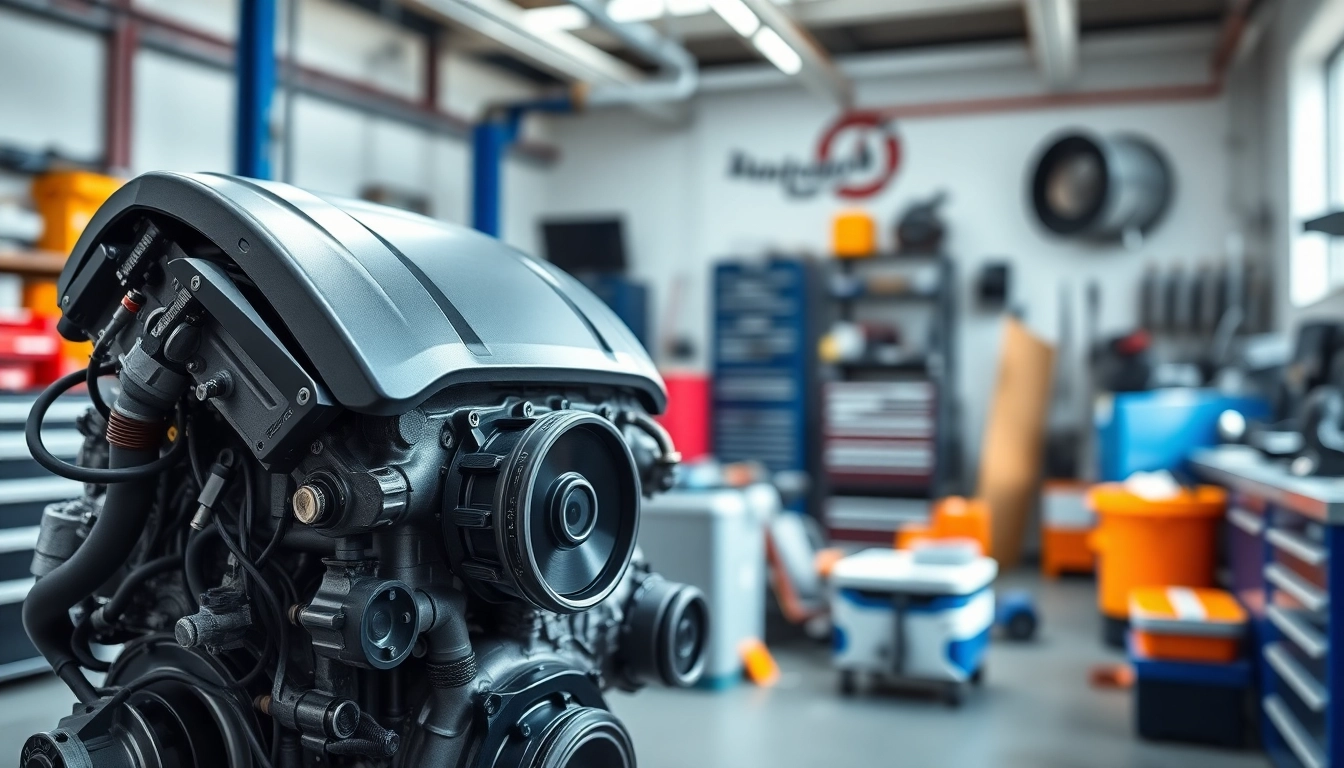
Understanding Diesel Generators
Diesel generators are crucial power solutions that combine the reliability of diesel engines with the efficiency of electric generators. They are commonly used in various settings, from residential needs to industrial applications, providing dependable electricity where needed. As a leading option in backup and primary power generation, understanding diesel generators’ mechanics, applications, and benefits is essential for consumers and businesses alike.
What is a Diesel Generator?
A diesel generator (DG) consists of a diesel engine and an electric generator or alternator. This combination generates electrical energy by converting diesel fuel into mechanical energy, which is then transformed into electrical power. Diesel generators are renowned for their durability and efficiency, making them suitable for various applications, especially where consistent power supply is necessary. Whether you need power for construction sites, emergency backup systems, or remote operations, a Diesel generator can be your go-to solution.
Key Components and How They Work
Understanding the components of a diesel generator can help in assessing its performance and suitability for specific applications. The primary components include:
- Diesel Engine: Converts diesel fuel into mechanical energy.
- Alternator: Converts mechanical energy into electrical energy.
- Fuel System: Supplies diesel fuel to the engine for combustion.
- Cooling System: Regulates the engine temperature to prevent overheating.
- Control Panel: Monitors the generator’s performance and controls its operations.
The operational process begins with the diesel engine drawing in air and compressing it. Fuel is then injected into the cylinder, igniting due to the heat generated from compression. This explosion pushes the piston down, generating mechanical power that the alternator converts into electricity.
Common Uses in Construction and Industry
Diesel generators are widely used across various sectors, primarily due to their reliability and efficiency under load. Common applications include:
- Construction Sites: Providing temporary power for tools, lighting, and equipment.
- Healthcare Facilities: Serving as emergency backup power to ensure critical equipment remains operational.
- Event Management: Supplying power for outdoor events, concert venues, and festivals.
- Telecommunication: Assuring that communication systems stay operational during outages.
- Agriculture: Powering equipment and irrigation systems in remote locations.
Benefits of Diesel Generators
There are numerous benefits to using diesel generators, particularly when compared to other power generation sources. Understanding these advantages can help businesses and homeowners make informed decisions when selecting backup or primary power sources.
Cost-Effectiveness and Fuel Efficiency
Diesel generators are known for their cost-effectiveness due to diesel fuel’s higher energy density compared to gasoline. This means that diesel engines can produce more power from less fuel, resulting in lower operational costs over time. Additionally, advancements in engine technology have improved fuel efficiency, allowing for longer run times between refueling.
Reliability in Challenging Environments
Diesel generators excel in environments where other fuel types may struggle. They are less prone to freezing in cold weather and can operate in extreme temperatures. This reliability makes them ideal for remote locations, disaster recovery situations, and places with limited access to electricity.
Low Maintenance and Longevity
With proper maintenance, diesel generators can operate for thousands of hours. They generally require less frequent maintenance compared to their gasoline counterparts, owing to their robust construction and design. Regular checks and essential servicing can extend the life of diesel generators, making them a sound long-term investment.
Choosing the Right Diesel Generator
When selecting a diesel generator, various factors need to be considered to ensure that it meets your project’s specific requirements. The right choice will depend on your needs, environment, and budget.
Factors to Consider for Your Project
Several key factors should influence your decision, including:
- Power Requirements: Determine your peak and continuous power needs.
- Portability: Consider whether a stationary or portable generator best meets your needs.
- Fuel Availability: Ensure that diesel fuel is easily accessible in your area.
- Noise Levels: Evaluate local regulations regarding noise pollution and select models designed for quieter operation if necessary.
Understanding Power Ratings and Capacities
Diesel generators come in a variety of power ratings measured in kilowatts (kW) or kilovolt-amperes (kVA). Understanding these ratings is crucial for selecting the right generator. A generator’s kVA rating indicates its capacity, while kW indicates usable power output. As a general guideline, you can calculate the required generator size by adding the wattage of all devices you plan to power and then adding a 20% buffer to accommodate starting loads.
Comparing Brands and Models
When choosing a diesel generator, comparing different brands and models is essential to find one that offers the best value and reliability. Some reputable brands known for their quality diesel generators include PowerLink, Baudouin, and Kubota. Always check reviews, warranty options, and customer support services when making your comparison.
Best Practices for Diesel Generator Use
To maximize the efficiency and lifespan of diesel generators, following best practices for usage and maintenance is essential. These practices not only ensure safety but also improve performance and reduce the risk of breakdowns.
Safety Measures on Job Sites
Safety should be a paramount consideration when operating diesel generators. Key safety measures include:
- Ensuring all connections are secure and meet local electrical codes.
- Positioning the generator in a well-ventilated area to avoid fume build-up.
- Using appropriate personal protective equipment (PPE) when refueling or conducting maintenance.
Routine Maintenance and Inspections
Regular maintenance checks, including oil changes, filter replacements, and coolant inspections, can prevent issues before they arise. Keeping a detailed log of all maintenance activities can help identify trends over time and inform necessary repairs or replacements.
Optimizing Fuel Usage for Efficiency
To ensure your diesel generator operates efficiently, consider the following tips:
- Use high-quality diesel fuel with the correct cetane rating.
- Perform regular fuel storage checks to prevent contamination.
- Monitor fuel consumption to identify and address any sudden increases.
Future Trends in Diesel Generator Technology
The landscape of diesel generators is evolving, influenced by technological advancements and the growing importance of environmental sustainability. Businesses should stay informed about these changes to make future-ready decisions.
Impact of Renewable Energy Integration
As the push for renewable energy continues, diesel generators are increasingly being integrated with solar and wind energy systems. Hybrid systems can provide a more reliable and sustainable power source, particularly in areas where traditional grid access is limited.
Innovations for Enhanced Performance
Innovations such as advanced digital controls, telematics, and data analytics are being implemented in diesel generators to optimize performance, improve fuel efficiency, and enhance remote monitoring capabilities. These technologies enable users to track usage patterns and make adjustments for better efficiency.
Regulations and Environmental Considerations (2026 and Beyond)
As environmental regulations tighten, particularly concerning emissions, diesel generators are becoming subject to more stringent standards. Manufacturers are responding by developing cleaner-burning engines and exhaust after-treatment technologies to minimize their environmental footprint.
What are the common applications of diesel generators?
Common applications include construction sites, hospitals, and remote locations that require reliable power.
How to maintain a diesel generator effectively?
Regular maintenance includes changing the engine oil, replacing air and fuel filters, and conducting routine inspections.
What are the environmental impacts of diesel generators?
Diesel generators can contribute to air pollution; however, advancements in technology are helping to reduce emissions.
Are diesel generators suitable for emergency backup power?
Yes, they are widely used for emergency backup power due to their reliability and performance under load.
What are the advantages of using diesel generators over gas generators?
Diesel generators generally offer better fuel efficiency, durability, and longevity compared to gas generators.. Additionally, Prime power provides further details.