When Maria noticed brown patches spreading across her two long flower beds this summer, she blamed the week-long heat wave. The beds sit beneath a row of shrubs and hand-watering took her 20–30 minutes every other evening — she missed deep watering days and often overwatered the edges. Her neighbor Mark, who grows tomatoes in raised beds, had a different problem: thirsty roots and a busy schedule that made daily watering unrealistic. These are the exact kinds of yard problems that determine whether a simple soaker hose or a full drip system makes sense.
Understand the problem: common garden bed watering challenges
Before picking equipment, name the core challenge you're solving. Do you need even, low-pressure root watering across long, narrow beds? Do you manage mixed-use beds (annuals, perennials, tomatoes) with different water needs? Or do you want a hands-off solution for a weekend-away homeowner? Each is a different problem and needs a specific solution.
Typical scenarios
- Long, straightforward beds under shrubs or flowers — you want evenly soaked root zones with minimal fuss.
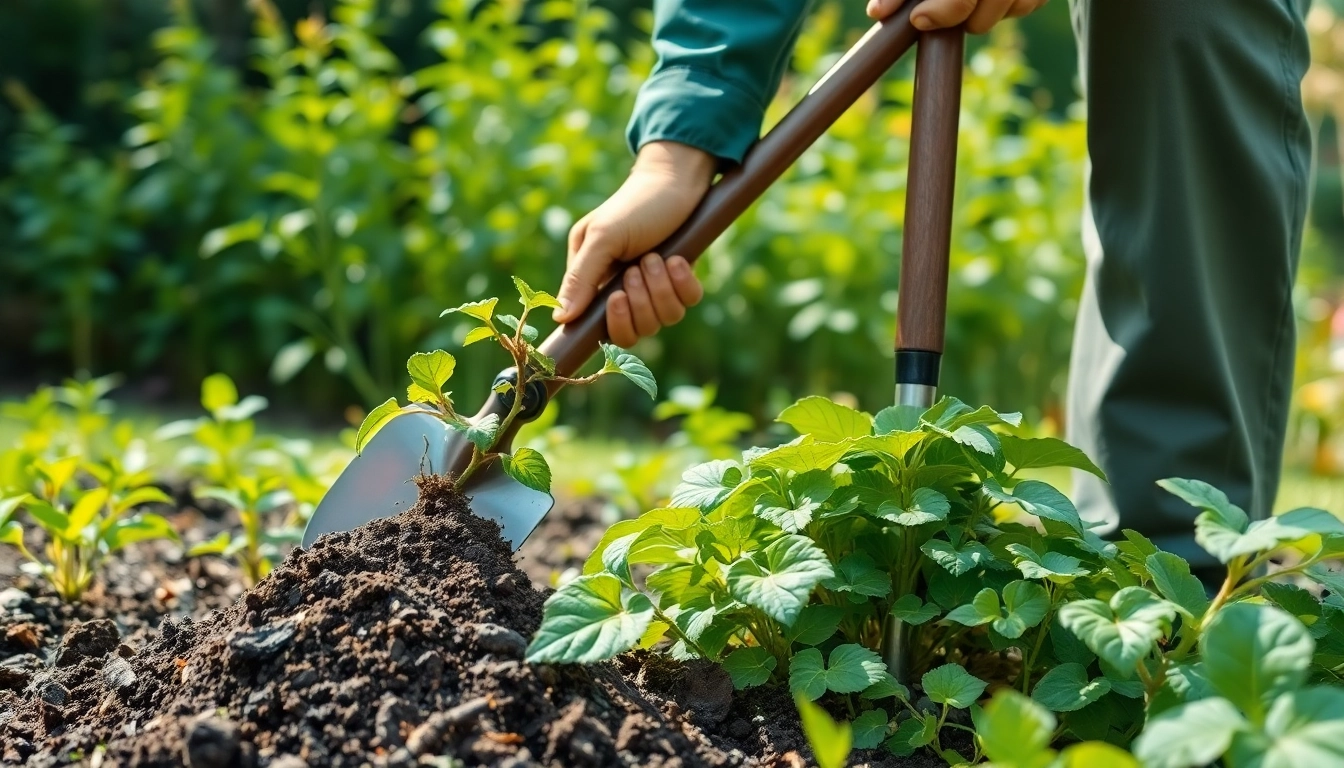
- Row-style vegetable beds or raised beds — you need targeted emitters to reach plant roots without wetting foliage.
- Irregular beds with potted plants and mixed plantings — a hybrid or modular approach often works best.
For example, a 40-foot perennial bed that dries out quickly across the middle usually benefits from continuous porous hose coverage. Conversely, a 12-plant tomato row does best with adjustable emitters spaced to match plant spacing. According to the EPA WaterSense program, smart irrigation upgrades can save water significantly — and choosing the right delivery method is a big part of that savings (for controllers, the EPA cites savings of up to 15%–30% of outdoor water use).EPA WaterSense
Soaker hoses: the simplest, low-cost solution
Problem matched: you have straightforward beds, consistent plant spacing, or you want lowest-cost, low-tech watering. A soaker hose is often quick to install, flexible enough to snake through beds, and requires minimal parts.
What they do well
Soaker hoses exude water along their length, soaking the soil directly at the root zone. That's ideal for shallow-rooted annuals and many perennials. Installation is usually: lay the hose, attach to faucet (optionally through a timer), and cover lightly with mulch. If you want a fast purchase that fixes uneven surface drying, a soaker setup frequently does the trick.
Real-world example
On a 30-foot border of lavender and salvia, laying a soaker hose in a serpentine pattern and running it 20 minutes twice a week kept soil at the preferred 1–2 inch moist zone. Maria’s neighbor Mark also discovered that a soaker hose under mulch reduced watering time from 30 minutes of hand-watering to a single 45-minute automated run twice weekly.
If your decision leans this way because "a soaker hose is the easiest way to water garden beds", check hoses and accessories specifically designed for garden beds: soaker hose is the easiest way to water garden beds. A simple WiFi timer can automate schedules so you’re not guessing how long to run each cycle.
Drip irrigation: precision where plant needs vary
Problem matched: you have mixed plant types, raised beds with specific root zones, or vegetables that need targeted deep watering without wetting foliage. Drip systems use emitters, micro-tubing, and pressure regulators to deliver water precisely to each plant.
What they do well
Drip systems are excellent for water-sensitive crops (tomatoes, peppers) and beds with variable spacing. Emitters can be 0.5–2 gallons per hour (GPH), so you tailor flow to each plant. For example, give a thirsty pepper 2 GPH while a drought-tolerant ornamental gets 0.5 GPH. This saves water and reduces disease by keeping foliage drier.
Real-world example and numbers
A 10-plant vegetable bed using 1 GPH emitters for 30 minutes every other day delivered about 5 gallons per cycle — enough for consistent root moisture without runoff. Over a season, that precision often beats broad-spray watering by reducing waste. University extension studies show that properly designed drip systems can cut outdoor water use versus sprinklers by a notable margin, especially in vegetable production contexts.
FeatureSoaker HoseDrip IrrigationInstallationVery simpleModerate (more components)PrecisionGood for uniform bedsHigh (per-plant)MaintenanceLow (flush & replace periodically)Moderate (flush, check emitters)Best useSimple flower/perennial bedsVegetable rows, mixed plantings
How to match the best setup to your yard
Problem matched: you’re not sure whether to choose simplicity or precision. Use this decision flow to pick the right approach and pair it with appropriate controls.
- Map the bed layout. Long uniform beds → lean soaker. Clustered/row plantings → consider drip.
- Decide on automation. If you travel or want consistency, add a timer. A WiFi timer from RainPoint can handle complex schedules and let you adjust runs from your phone.
- Factor in mulch and soil. Mulched beds keep water where you want it; both systems work better under mulch than on bare soil.
- Plan maintenance. Soaker hoses may need periodic replacement if clogged; drip systems need occasional emitter checks and flushing.
Concrete scenario: for a homeowner with two 25-foot beds and limited DIY time, a soaker hose on a programmable timer delivered consistent, deep watering twice weekly and cut manual time by 80%. For a weekend gardener with a 4x12 raised bed of vegetables, a modular drip kit with 1 GPH emitters matched plant needs and reduced foliar disease.
Budget, durability, and maintenance: practical trade-offs
Problem matched: you need to balance upfront cost, longevity, and time spent on upkeep. Choose based on how much you value time saved versus precision.
Costs and upkeep
Initial costs: soaker hoses are low-cost (often under $50 for garden-length), while a full drip kit with fittings, filter, and timer can be $75–$200 depending on size. Maintenance: soaker hoses are largely replace-and-recycle items over several seasons; drip systems are more serviceable — replace emitters or tubing sections as needed.
Durability example: a polyethylene dripline with built-in emitters, buried under 1–2 inches of mulch, can last 5–10 years when protected from UV and physical damage. A standard porous soaker hose exposed on the surface may need replacement every 3–5 years, but costs are low enough that many gardeners accept that trade-off.
Final practical tip: if you want the lowest barrier to entry, start with a soaker hose and a basic timer; you can upgrade sections to drip emitters later for individual plants that need special care. RainPoint’s product range makes mixing solutions easy, so you can match the right watering setup to each bed rather than forcing one approach across the whole yard.