
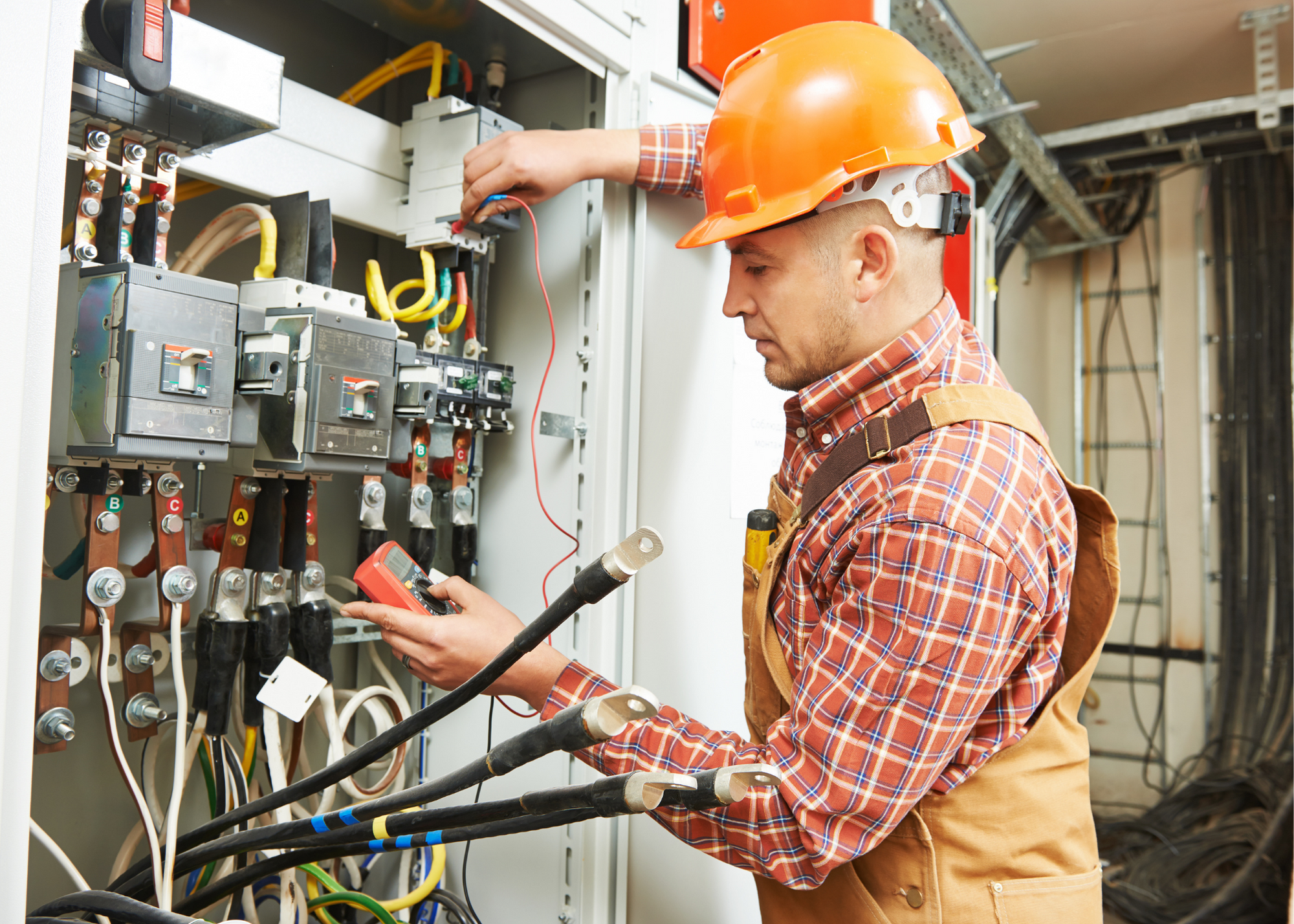
The construction industry in Hawaii is booming, fueled by infrastructure upgrades, housing demand, and sustainable development initiatives. At the heart of this growth are hawaii trade schools, institutions that prepare skilled professionals to meet real-world construction needs. For individuals seeking stable, high-paying, and meaningful careers, these schools offer a direct pathway to success. At ABC Hawaii, we recognize the transformative role trade education plays in shaping Hawaii’s workforce and strengthening local communities.
Unlike traditional four-year degrees, hawaii trade schools focus on practical skills, industry certifications, and job readiness. Whether you are a recent graduate, career changer, or working professional looking to upskill, trade education provides a powerful alternative aligned with Hawaii’s unique construction landscape.
Why Hawaii Trade Schools Matter in Today’s Economy
Hawaii’s geographic isolation and unique building requirements demand a highly skilled local workforce. Hawaii trade schools are essential because they train workers who understand local codes, climate challenges, and cultural considerations.
These institutions bridge the skills gap by producing electricians, carpenters, plumbers, HVAC technicians, and construction managers who are ready to work from day one. Employers across the islands rely on hawaii trade schools to maintain productivity and quality standards in construction projects.
The Construction Industry Boom in Hawaii
Infrastructure and Housing Demand
Public infrastructure projects, military facilities, and residential housing developments continue to expand across Hawaii. This growth has increased demand for skilled tradespeople trained through hawaii trade schools.
Sustainability and Green Building
Hawaii’s commitment to renewable energy and sustainable construction has created new opportunities. Hawaii trade schools now incorporate green building practices, energy efficiency, and solar installation into their curricula, aligning graduates with future-focused careers.
How Hawaii Trade Schools Prepare Students for Construction Careers
Hands-On Training and Real-World Experience
One of the biggest advantages of hawaii trade schools is hands-on learning. Students spend significant time in workshops, labs, and job sites, gaining practical experience that employers value.
Industry-Recognized Certifications
Many hawaii trade schools offer certifications aligned with national and state standards. These credentials increase employability and earning potential while ensuring compliance with Hawaii’s construction regulations.
Apprenticeship Opportunities
Apprenticeships are a cornerstone of trade education. Through partnerships with unions and contractors, hawaii trade schools connect students with paid, on-the-job training that leads directly to employment.
Popular Construction Programs Offered by Hawaii Trade Schools
Carpentry and Framing
Carpentry programs teach structural framing, finishing, and blueprint reading. Graduates from hawaii trade schools are well-equipped to work on residential and commercial projects.
Electrical and Plumbing Trades
Electricians and plumbers are in constant demand. Hawaii trade schools provide comprehensive training in safety, installation, and maintenance, ensuring graduates meet licensing requirements.
HVAC and Mechanical Systems
With Hawaii’s climate, HVAC professionals are essential. Hawaii trade schools train technicians to install and maintain energy-efficient systems tailored to island environments.
Construction Management and Safety
For those interested in leadership roles, hawaii trade schools offer construction management programs covering project planning, budgeting, and OSHA safety standards.
Benefits of Choosing Hawaii Trade Schools Over Traditional Colleges
Faster Entry Into the Workforce
Most programs at hawaii trade schools can be completed in months rather than years. This allows students to start earning sooner and avoid long-term student debt.
Affordable Education Options
Tuition at hawaii trade schools is generally more affordable than four-year universities. Financial aid, grants, and employer-sponsored programs further reduce costs.
High Job Placement Rates
Because training aligns with industry needs, hawaii trade schools boast strong job placement outcomes. Employers actively recruit graduates for construction roles statewide.
ABC Hawaii’s Role in Supporting Trade Education
At ABC Hawaii, we work closely with hawaii trade schools to ensure training programs meet current construction standards. Our mission is to strengthen the industry by supporting education, safety, and workforce development.
Through advocacy, partnerships, and continuing education, ABC Hawaii helps connect students, schools, and employers. This collaboration ensures that hawaii trade schools remain a powerful driver of construction careers.
Career Pathways After Graduating From Hawaii Trade Schools
Entry-Level Skilled Trades Positions
Graduates often begin as apprentices or junior technicians, quickly advancing as they gain experience.
Specialized and Advanced Roles
With additional certifications, professionals from hawaii trade schools can specialize in areas such as renewable energy, project supervision, or safety management.
Entrepreneurship and Business Ownership
Many tradespeople go on to start their own contracting businesses. Hawaii trade schools provide the technical foundation needed for long-term success.
The Long-Term Impact of Hawaii Trade Schools on Local Communities
By training local residents, hawaii trade schools keep jobs and economic growth within the islands. Skilled workers contribute to safer buildings, sustainable infrastructure, and stronger communities.
Additionally, trade education promotes career dignity and financial stability, offering alternatives to traditional academic paths while meeting Hawaii’s workforce needs.
Choosing the Right Hawaii Trade School
Accreditation and Reputation
Look for hawaii trade schools with recognized accreditation and strong industry partnerships.
Program Offerings and Facilities
Modern equipment, experienced instructors, and updated curricula are key indicators of quality training.
Job Placement and Employer Connections
Schools affiliated with organizations like ABC Hawaii often provide better networking and employment opportunities.
Frequently Asked Questions (FAQ)
What careers can I pursue after graduating from Hawaii trade schools?
Graduates can work as electricians, carpenters, plumbers, HVAC technicians, construction managers, and more across residential, commercial, and industrial projects.
How long do programs at Hawaii trade schools take to complete?
Most programs range from a few months to two years, depending on the trade and certification level.
Are Hawaii trade schools a good alternative to college?
Yes. Hawaii trade schools offer affordable, practical education with strong job placement, making them an excellent alternative to traditional four-year degrees.
Conclusion: Build Your Future With Hawaii Trade Schools
The construction industry in Hawaii offers stability, growth, and purpose—and hawaii trade schools are the gateway to these opportunities. With hands-on training, industry certifications, and strong employer connections, these schools empower individuals to build powerful, lasting careers. Our website is your ultimate source of valuable information.