Sand Casting Precision Parts & CNC Machining Services Fast
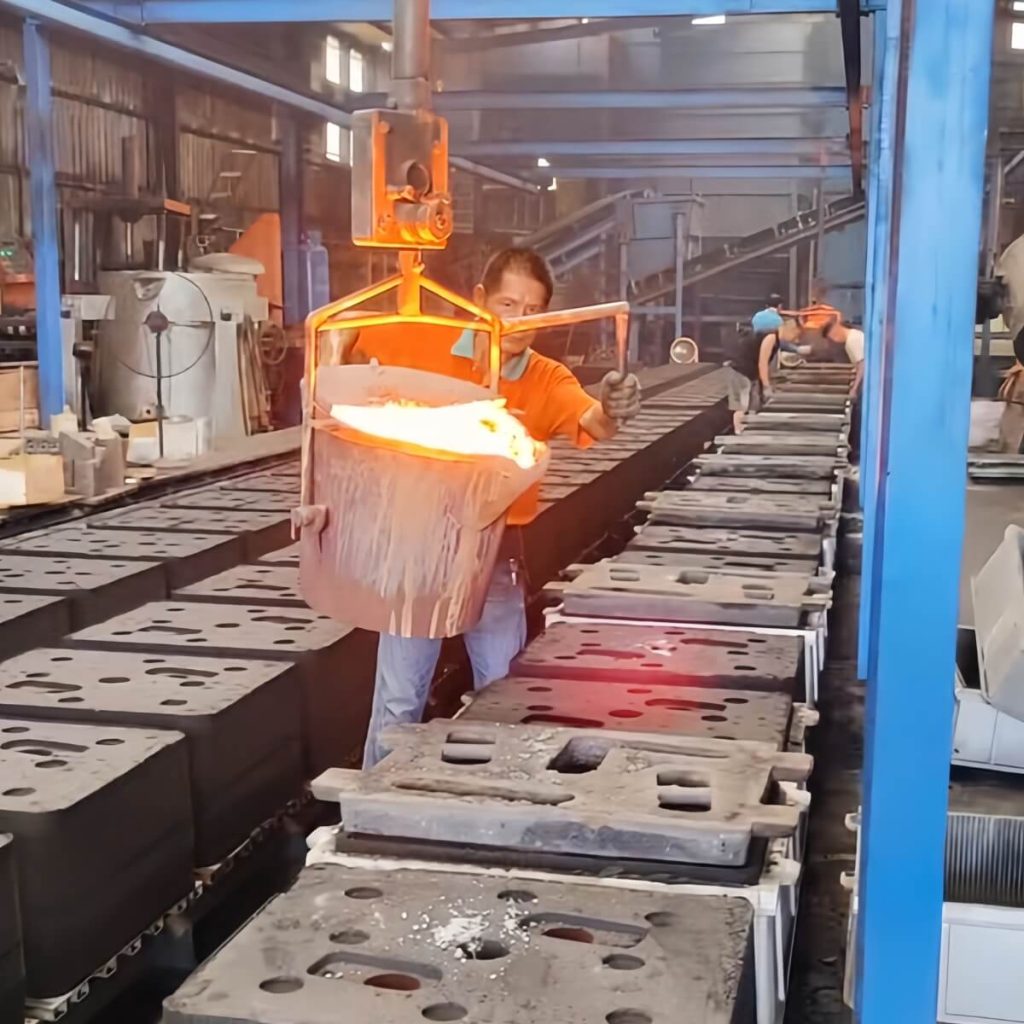
When it comes to producing durable, high-precision components, sand casting is one of the most reliable and versatile methods in modern manufacturing. At Leierwo, we specialize in delivering top-quality Sand Casting services combined with fast, precise CNC machining to meet your production needs. Whether for small-scale prototypes or large industrial parts, our processes ensure accuracy, repeatability, and optimal material properties.
In this article, we will explore the complete landscape of , its benefits, processes, and how integrating CNC machining can elevate your manufacturing projects.
What is Sand Casting?
Sand is a traditional metal casting process where sand is used to create a mold cavity. Molten metal is poured into this mold to form the desired shape. Over centuries, casting has proven to be highly adaptable, suitable for a wide range of metals including aluminum, steel, brass, and bronze.
The process involves several key steps:
1. Creating the Mold
A mold is made using a mixture of sand and binding materials. The sand is packed around a pattern, which is a replica of the part you want to produce. After the pattern is removed, it leaves a cavity for the molten metal.
2. Pouring the Metal
Once the mold is ready, molten metal is carefully poured into the cavity. The choice of metal depends on the desired strength, weight, and corrosion resistance of the final part.
3. Cooling and Solidification
After pouring, the metal is allowed to cool and solidify. The cooling rate can affect the grain structure, strength, and surface finish of the part.
4. Removing the Casting
The sand mold is broken away to reveal the cast part. Additional finishing, such as trimming, grinding, or heat treatment, is often applied to meet precise specifications.
Advantages of Sand Casting
Sand casting offers multiple advantages that make it a preferred choice for manufacturers:
- Cost-Effective for Low to Medium Volumes: Sand molds are inexpensive and easy to create, making them ideal for small production runs.
- Flexible Material Choices: Almost any metal can be cast, including high-performance alloys.
- Large Part Capability: Sand allows the production of large, complex components that are difficult with other methods.
- Design Versatility: Intricate shapes, cavities, and internal geometries can be achieved.
Why Combine Sand Casting with CNC Machining?
While sand produces strong and near-net-shape components, certain precision features may require additional machining. CNC machining allows for:
- Tight Tolerances: CNC ensures exact dimensions and smooth surfaces.
- Complex Geometries: Features like holes, threads, and slots can be precisely added.
- Rapid Production: CNC machining speeds up finishing, reducing lead time.
By integrating sand with CNC machining, Leierwo offers a complete solution for manufacturers seeking both strength and precision.
Key Industries Using Sand Casting
Sand is widely used across many industries due to its flexibility and cost-effectiveness. Major applications include:
Automotive Industry
Engine blocks, transmission housings, and brake components often rely on sand for their durability and resistance to heat and wear.
Aerospace Industry
High-strength alloys for aerospace parts are frequently produced through sand combined with CNC machining for critical tolerances.
Construction and Heavy Machinery
Large gears, pump housings, and structural components benefit from sand casting’s ability to produce complex, heavy-duty parts.
Marine and Energy
Propellers, valves, and turbine components are typically cast from corrosion-resistant metals using sand casting techniques.
Materials Commonly Used in Sand Casting
Choosing the right material is essential for optimal performance. Some of the most popular metals used include:
- Aluminum: Lightweight, corrosion-resistant, ideal for automotive and aerospace applications.
- Steel: High strength, heat-resistant, suitable for heavy machinery and construction.
- Bronze and Brass: Excellent corrosion resistance and machinability, often used for marine applications.
- Cast Iron: Strong, wear-resistant, and commonly used for engine components and industrial machinery.
The Sand Casting Process in Detail
For manufacturers seeking a deeper understanding, here’s a detailed breakdown of the sand casting process:
Pattern Making
Patterns are typically made of wood, plastic, or metal. They determine the shape of the mold cavity and influence the final surface finish.
Core Making
Cores are sand inserts used to create hollow sections within castings, such as engine cylinders or pipe fittings.
Mold Assembly
The sand mold is assembled, often in two halves called the cope (top) and drag (bottom). Precision alignment is essential for high-quality castings.
Pouring
Molten metal is poured carefully to avoid turbulence, which can cause defects. Temperature control is crucial to prevent cracking or shrinkage.
Cooling
The metal must cool gradually to ensure uniform grain structure and prevent warping. Cooling time depends on the metal type and part thickness.
Shakeout and Finishing
The sand mold is broken away, and excess material like gates and risers is removed. CNC machining can then refine critical dimensions and surfaces.
Common Sand Casting Defects and How to Avoid Them
While sand casting is versatile, defects can occur. Understanding them helps improve quality:
- Porosity: Small holes caused by trapped gas; reduced by proper venting.
- Shrinkage: Dimensional inaccuracies due to metal contraction; mitigated by risers.
- Surface Roughness: Irregular surfaces; improved by mold preparation and post-machining.
- Cold Shuts: Incomplete fusion of metal streams; controlled by optimal pouring temperature.
Why Choose Leierwo for Sand Casting Services
At Leierwo, we combine decades of experience with modern technology to provide exceptional sand casting and CNC machining services. Here’s why our clients trust us:
- Fast Turnaround: Efficient production schedules for rapid delivery.
- Precision Engineering: CNC machining ensures tight tolerances and high-quality finishes.
- Material Expertise: Extensive knowledge of metals and alloys for optimal performance.
- Custom Solutions: Capable of handling complex geometries and unique requirements.
- Quality Assurance: Rigorous inspections at every stage to maintain consistency and reliability.
Benefits of Partnering with a Full-Service Manufacturer
By working with a company like Leierwo that offers both sand casting and CNC machining, businesses can enjoy:
- Reduced Lead Time: No need to coordinate between multiple suppliers.
- Cost Savings: Efficient processes reduce material waste and production delays.
- Better Communication: Single point of contact ensures smooth project management.
- High Reliability: Integrated quality control for each component.
How to Optimize Your Sand Casting Projects
Here are some tips to ensure your casting projects succeed:
- Choose the Right Alloy: Match material properties to your application.
- Design for Casting: Avoid thin walls and sharp corners to reduce defects.
- Plan for Machining: Include allowances for CNC finishing.
- Test Prototypes: Validate designs before full-scale production.
- Partner with Experts: Experienced manufacturers like Leierwo help streamline production.
Future Trends in Sand Casting and CNC Machining
The manufacturing industry is evolving rapidly, and sand casting is keeping pace with innovations:
- Additive Manufacturing for Patterns: 3D printing enables faster, more precise pattern production.
- Advanced Alloys: New materials offer improved strength, corrosion resistance, and weight savings.
- Automation: Robotic pouring and handling reduce labor costs and improve consistency.
- Smart Quality Control: Sensors and AI-based inspection enhance defect detection and process optimization.
Case Study: High-Precision Automotive Parts
A leading automotive manufacturer approached Leierwo for engine components requiring both strength and precision. Using sand casting, the bulk parts were produced efficiently. CNC machining was then applied to critical surfaces and tolerances, resulting in a 20% faster production cycle and reduced scrap rates. This demonstrates the effectiveness of combining traditional casting with modern machining technologies.
FAQs – People Also Ask
What is the main advantage of sand casting?
Sand casting is cost-effective, flexible for complex designs, and suitable for large, durable parts.
Can sand casting be used for high-precision parts?
Yes, when combined with CNC machining, sand casting can achieve tight tolerances and smooth surfaces.
How long does sand casting take?
The duration depends on part size and material but typically ranges from a few hours to a few days.
What metals are best for sand casting?
Common metals include aluminum, steel, cast iron, bronze, and brass, chosen based on strength and application.
Is sand casting environmentally friendly?
Modern sand casting processes recycle sand and minimize waste, making it more sustainable than some other methods.
Why choose Leierwo for casting services?
Leierwo offers fast turnaround, expert CNC machining, material expertise, and quality assurance for precise, durable components.
Can sand casting produce complex shapes?
Yes, sand casting is ideal for complex geometries, internal cavities, and intricate designs that other methods may struggle with.
We cover everything in one place—don’t miss out on the latest insights.