
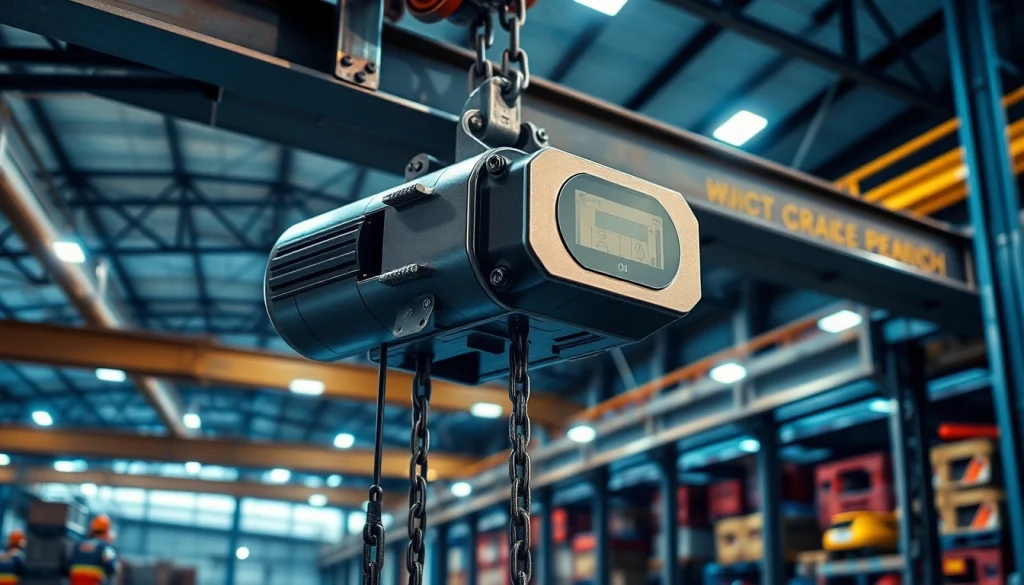
Understanding Electric Chain Hoist Cranes
Electric chain hoist cranes are essential tools in various industries, facilitating the lifting and movement of heavy loads with ease and precision. Utilized in construction, manufacturing, and logistics, these cranes combine efficiency with safety measures, making them vital for modern operational environments. With a range of applications, understanding their mechanics, benefits, and proper usage is crucial for any business looking to enhance productivity and ensure workplace safety. When exploring options, electric chain hoist crane provides comprehensive insights into the best practices for selecting and utilizing these powerful lifting devices.
What is an Electric Chain Hoist Crane?
An electric chain hoist crane is a mechanical device that uses an electric motor to lift and lower heavy objects via a chain. Unlike manual hoists, which require physical effort, electric chain hoists streamline lifting operations by allowing operators to control movements with a push of a button. These hoists are equipped with gears that convert motor torque into lifting power, making them suitable for continuous and repetitive tasks.
Key Components of Electric Chain Hoists
- Motor: The powerhouse of the hoist, typically an AC or DC motor that drives the lifting mechanism.
- Chain: A high-strength chain lifts the load. The design ensures minimal wear and longer life.
- Control System: This may include wired or wireless remotes, allowing for ease of use from a distance.
- Hooks and Lifting Accessories: These are critical for connecting the load to the hoist securely.
- Brakes: Ensuring safety, these prevent accidental load drops in case of power outages.
Comparing Electric Chain Hoist Crane Types
Electric chain hoists come in various types, each tailored for specific industrial needs. The common types include single-phase hoists ideal for small operations and three-phase hoists suited for larger, more demanding applications. Additionally, variable-speed hoists offer control over lifting speeds, enhancing precision for sensitive tasks. A thorough comparison of these types can help businesses select the right equipment for their requirements.
Benefits of Electric Chain Hoist Cranes
Increased Efficiency in Industrial Operations
The automation brought by electric chain hoists revolutionizes lifting operations. Tasks that previously required multiple workers can often be accomplished by one operator using an electric chain hoist crane, significantly reducing labor costs and increasing throughput. Furthermore, these hoists can operate continuously, enhancing productivity in environments such as warehouses and manufacturing facilities.
Enhanced Safety Features and Compliance
Safety is paramount in any lifting operation, and electric chain hoists are designed to meet stringent safety standards. They often include features such as overload protection, emergency stop buttons, and limit switches that prevent the chain from overextending. These safety protocols not only protect workers but also help businesses comply with regulatory requirements, minimizing the risk of workplace accidents and potential legal repercussions.
Cost-Effectiveness Over Time
While the initial investment in an electric chain hoist crane may be significant, the long-term savings are substantial. Reduced labor costs, increased productivity, and lower maintenance needs all contribute to a favorable return on investment. Additionally, many electric hoists feature energy-efficient motors that reduce operational costs over time.
Choosing the Right Electric Chain Hoist Crane
Factors to Consider Before Purchase
When selecting an electric chain hoist crane, several factors come into play. Businesses must consider the weight of the loads to be lifted, the height required for lifting, and the frequency of use. Understanding the specific demands of your operations can guide you to the hoist that fits best.
Capacity and Lifting Height Requirements
Every electric chain hoist has a rated capacity, and exceeding this limit can lead to equipment failure and safety hazards. It’s crucial to calculate the maximum weight you expect to lift, including safety margins. Similarly, the lifting height should match your operational needs, ensuring that the hoist can reach required elevations without compromising safety or efficiency.
Power Source Options and Their Implications
Electric chain hoists are available in various power configurations, including single-phase and three-phase power sources. Single-phase hoists are generally more versatile for small-scale applications, while three-phase hoists offer robust performance suitable for high-demand environments. Consider your facility’s electrical system and the availability of power sources when selecting your hoist.
Best Practices for Electric Chain Hoist Crane Operation
Safety Protocols for Operators
Implementing comprehensive safety protocols is essential when operating electric chain hoist cranes. Operators should receive proper training on equipment use, maintenance, and emergency procedures. Regular safety audits and adherence to industry standards are crucial for maintaining a safe working environment.
Regular Maintenance and Inspections
Consistent maintenance not only prolongs the life of your electric chain hoist but also ensures safe operation. Regular inspections should be conducted to identify wear and tear on components, such as chains, hooks, and motors. Establishing a maintenance schedule and keeping detailed records can help prevent unexpected failures and costly downtime.
Effective Load Management Techniques
Proper load management is vital to ensure that electric chain hoists operate safely and efficiently. Operators should be trained to assess load characteristics, secure loads effectively, and avoid sudden movements that could destabilize the load. Utilizing taglines and ensuring clear communication during lifts can further enhance safety.
Future Trends in Electric Chain Hoist Cranes
Emerging Technologies in Hoist Systems
As technology continues to evolve, so do electric chain hoist systems. Innovations such as IoT-enabled hoists provide real-time monitoring and diagnostics, allowing for predictive maintenance and reducing downtime. Automation and integration with robotics are also trends that promise to enhance operational efficiency in various industries.
Predictions for Industrial Automation and Robotics
The continued rise of industrial automation suggests that electric chain hoists will increasingly be integrated with other automated systems. This synergy can result in more streamlined workflows, reduced labor costs, and improved safety outcomes. As companies pivot towards smarter factories, hoists that are adaptable and can communicate with other machinery will become the industry standard.
Environmental Considerations and Sustainability Practices
With an increasing focus on sustainability, electric chain hoist manufacturers are exploring eco-friendly designs and energy-efficient motors. Businesses are encouraged to consider the environmental impact of their operations, including energy consumption and waste management. Opting for sustainable hoist solutions not only benefits the planet but can also enhance a company’s reputation in today’s eco-conscious market.