
Safety Gloves in Kenya – Trusted Supplier Bekam Orbit Enterprise
Introduction
Safety gloves in Kenya are a critical part of personal protective equipment (PPE) for workers across various industries. Whether in construction, agriculture, healthcare, or manufacturing, proper hand protection can prevent injuries such as cuts, burns, infections, and chemical exposure. Choosing the right gloves is crucial not only for safety but also for improving productivity and complying with occupational safety standards.
Bekam Orbit Enterprise is a trusted supplier of high-quality safety gloves in Kenya, providing a wide range of durable and reliable hand protection solutions for different work environments. This article explores the types of gloves, their uses, materials, buying tips, and why Bekam Orbit Enterprise stands out as a leading supplier.
Why Safety Gloves Matter in Kenya
Hand injuries are among the most common workplace accidents worldwide, accounting for over 40% of industrial injuries. In Kenya, workers in construction, farming, metalwork, and chemical industries face similar risks.
Using the right safety gloves can help prevent:
- Cuts and punctures
- Burns from chemicals or heat
- Electric shocks
- Skin irritation and blisters
- Infection from handling contaminated materials
Companies that invest in quality gloves reduce workplace injuries, improve productivity, and save on medical costs.
Types of Safety Gloves in Kenya
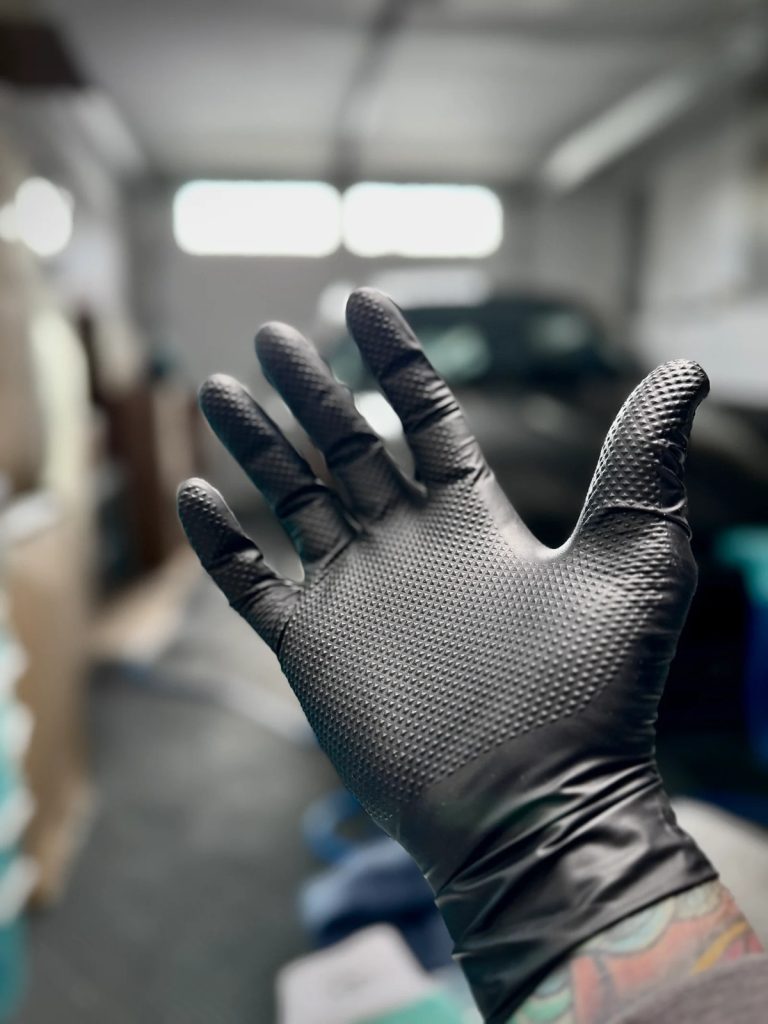
1. Nitrile Gloves
Nitrile gloves are chemical-resistant and puncture-resistant, making them ideal for medical, laboratory, and cleaning environments. They are also latex-free, making them safe for people with allergies.
Ideal for: Hospitals, laboratories, food handling, and cleaning services.
2. Latex Gloves
Latex gloves offer flexibility and comfort, providing effective protection against germs and liquids. They are commonly used in medical and food service industries.
Ideal for: Medical procedures, light cleaning, and food handling.
3. Leather Gloves
Leather gloves are durable and provide strong protection against rough surfaces, heat, and sharp tools. They are widely used in construction, welding, and mechanical work.
Ideal for: Construction, metalwork, welding, and farming.
4. Cut-Resistant Gloves
Made with materials such as Kevlar or HPPE fibers, cut-resistant gloves protect hands from sharp objects, making them essential for industries that handle glass, metal, or knives.
Ideal for: Carpentry, metal fabrication, and glass handling.
5. Cotton Gloves
Cotton gloves are soft, breathable, and comfortable for light handling tasks. They provide minimal protection but are suitable for packaging, warehouses, and general handling.
Ideal for: Light assembly, packaging, and warehouse work.
6. Rubber Gloves
Rubber gloves offer chemical and water resistance. They are commonly used in cleaning, agriculture, and car wash businesses.
Ideal for: Cleaning, chemical handling, agriculture, and car washes.
7. Welding Gloves
These heat-resistant gloves are designed to protect hands from sparks, high temperatures, and burns during welding and metalwork.
Ideal for: Welding, metal fabrication, and auto garages.
8. Electrical Insulated Gloves
Specialized gloves for electricians and maintenance teams. They provide protection against electric shocks and high-voltage risks.
Ideal for: Electricians, power companies, and industrial maintenance.
9. PVC Gloves
PVC gloves resist oils, fuels, and chemicals, making them suitable for industrial use, oil handling, and fisheries.
Ideal for: Oil & gas, factories, fisheries, and chemical handling.
Materials Used in Safety Gloves
Understanding glove materials helps in selecting the right protection:
- Nitrile: Chemical and puncture-resistant, latex-free.
- Latex: Flexible, comfortable, and cost-effective for light protection.
- Leather: Durable, heat-resistant, and ideal for heavy-duty work.
- Cotton: Soft, breathable, suitable for light handling.
- PVC: Waterproof and chemical-resistant for industrial tasks.
- Kevlar/HPPE: Cut-resistant and heat-resistant for high-risk tasks.
Industries That Use Safety Gloves in Kenya
Agriculture
Farmers use gloves to protect against thorns, chemicals, and machinery-related injuries.
Construction
Workers handling cement, bricks, and metal rely on leather and cut-resistant gloves for safety.
Healthcare
Doctors, nurses, and lab technicians require nitrile or latex gloves to prevent contamination.
Mechanical and Metalwork
Mechanics use gloves to protect against oils, sharp tools, and burns.
Food Processing
Disposable gloves prevent contamination during food preparation and handling.
Cleaning and Hygiene Services
Cleaning companies and hotels rely on rubber and nitrile gloves for hygiene protection.
Chemical Industries
Workers in chemical factories need strong, chemical-resistant gloves to ensure safety.
How to Choose the Best Safety Gloves in Kenya
- Identify the Risk: Determine the main hazard (cuts, chemicals, heat, electricity).
- Check Material Strength: Invest in gloves made from durable, tested materials.
- Ensure Comfort: Gloves should fit well without restricting movement.
- Assess Durability: Long-lasting gloves reduce replacement costs.
- Choose a Trusted Supplier: Bekam Orbit Enterprise provides high-quality PPE.
- Check Certification: Look for ISO, EN, or ANSI-approved gloves.
Why Buy Safety Gloves from Bekam Orbit Enterprise
- Wide Range of Products: Gloves for construction, medical, agriculture, and industrial work.
- High Quality: Every glove is tested for safety and durability.
- Affordable Prices: Single or bulk orders at competitive rates.
- Fast Delivery: Serving Nairobi, Mombasa, Kisumu, Eldoret, and other regions.
- Expert Support: Guidance on selecting gloves based on job requirements.
- Trusted by Businesses: Reliable PPE for small and large companies.
Safety Gloves Prices in Kenya
- Nitrile gloves: KSh 700 – 1,500 per box
- Latex gloves: KSh 600 – 1,200 per box
- Leather gloves: KSh 250 – 800 per pair
- Welding gloves: KSh 400 – 1,200 per pair
- Cut-resistant gloves: KSh 300 – 1,000 per pair
- PVC gloves: KSh 250 – 600 per pair
- Cotton gloves: KSh 50 – 150 per pair
Bulk orders often receive discounts from Bekam Orbit Enterprise.
Care and Maintenance of Safety Gloves
- Clean Regularly: Wash cotton, rubber, and PVC gloves; keep leather dry.
- Inspect for Damage: Check gloves before every use.
- Store Properly: Keep in a cool, dry place away from sunlight.
- Replace When Needed: Damaged gloves cannot provide proper protection.
Common Mistakes When Using Gloves
- Wearing the wrong type for the task
- Choosing the wrong size
- Not cleaning gloves
- Using worn-out gloves
Benefits of Using Proper Safety Gloves
- Fewer injuries and accidents
- Improved workplace productivity
- Cost savings on medical treatment
- Compliance with Kenyan safety regulations
FAQ – People Also Ask
1. What are the best safety gloves in Kenya? Depends on the task. Nitrile and PVC gloves for chemicals; leather or cut-resistant gloves for construction.
2. How much do safety gloves cost in Kenya? Prices range from KSh 50 to KSh 1,500 depending on type and quality.
3. Where can I buy safety gloves in bulk in Kenya? Bekam Orbit Enterprise supplies gloves in bulk or single orders at competitive prices.
4. What gloves are best for construction work? Leather gloves and cut-resistant gloves are most suitable.
5. Are nitrile gloves better than latex? Yes, nitrile gloves are more durable, chemical-resistant, and latex-free
We cover everything in one place—don’t miss out on the latest insights.